A curious question popped into my head a couple days ago: is humor a skill learned by the brain, or is it something rooted in the soul?
The humor of the brain is a craft. Speech rhythm, verbal expression, reaction speed – each can be practiced. The more you rehearse, the more precisely you can land a punchline. Stand-up comedians are masters at capturing the moment, aligning with the audience’s timing, using pauses and glances to calculate the delay between setup and laughter, turning humor into a kind of music. This kind of humor is a cerebral game, a linguistic acrobatics act, and a social advantage.
It is also a social strategy. To be funny, you need cultural awareness. You must know which jokes are safe to make and which ones are landmines. You need a sense of human psychology: what your listeners are thinking, waiting for, or afraid of. This type of humor relies on linguistic motor skills, and it is the result of well-trained cooperation between the left and right brain. It’s visible ability – learnable, imitable, and repeatable.
But there is another kind of humor – quiet, with no audience, not meant for performance.
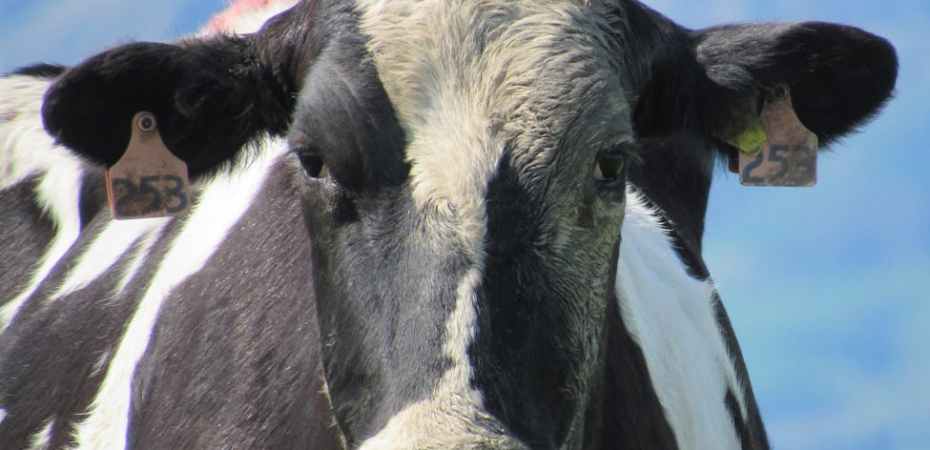
Once, while working on a cow farm, I fainted from anemia and collapsed onto what I can only describe as a “mountain of cow dung.” Just as everything faded to black, the stench, sharp and unapologetic, hit me like a slap and brought me back to life. I stood up, face smeared with cow shit, and locked eyes with a milk cow who was calmly chewing her afternoon snack, looking entirely unbothered.
In that surreal moment, a thought flashed through my mind: “Mm….. this pile of dung is softer and warmer than my bed.” I burst out laughing on the spot, doubled over, unable to stand upright, which, in turn, attracted a small circle of curious cows.
That laughter had no applause, just a handful of cows for an audience. But I knew it came from deep within. It wasn’t meant to amuse anyone. It was just to keep myself from collapsing beneath the absurdity of it all.
Soulful humor is not a technique. It’s a way of staying alive. It’s the insight that grows after walking through pain. It’s not that you have not cried. It’s that crying didn’t help so you learned to laugh instead. It’s not that you’ve never raged at the world’s injustice. You simply realized that laughing your way through life takes more courage than dying dramatically.
This kind of humor doesn’t come from performance workshops or TED Talk presentation tips. It comes from LIFE – the long, biased, and relentless teacher. After enough humiliations, heartbreaks, and impossible choices, you learn how to keep standing, how to keep laughing, and how to answer LIFE’s questions with a quiet and ironic smile.
The brain can learn how to tell jokes, but the soul teaches us how to laugh and stay alive. The brain’s humor is designed, strategic, and performative. The soul’s humor is forged in time, awakened through tenderness, laced with compassion and insight. It doesn’t always make people laugh out loud, but it often leaves a gentle echo after the smile fades.
So, is humor something we learn, or something the soul already knows?
What do you think?

我滿臉沾滿牛屎
從『牛糞山』上站了起來
和一隻表情淡定
嘴裡嚼著下午茶的乳牛四眼相對

我心裡閃過一個念頭
噗哧一聲大笑出來
引起一眾乳牛好奇圍觀
幽默,是靠腦子訓練出來的,還是根生在靈魂裡的?這是個有趣的問題。
大腦的幽默是一門技藝。說話節奏、語言表達、反應速度,每一項都可以練習,練得越熟越能精準拿捏氣口。脫口秀演員善於捕捉情境,對齊觀眾的笑點,用停頓與眼神計算時間差,讓笑聲像音樂般產生節拍。這種幽默,是腦子的遊戲,是語言的雜技,是社會生存的一項優等才藝。
它更是一種社交策略。要說得好笑,你得了解文化脈絡,知道哪些玩笑可以開,哪些是絕不能碰的地雷。你還得懂得人類心理,懂觀眾想什麼、等什麼、怕什麼。這種幽默需要語言的運動神經,是左腦與右腦默契合作的結果,是可以被學習、模仿、練就的一種外顯能力。
但還有另一種幽默,是安靜的,沒有觀眾的,不求表演的。
有一次我在農場打工,因為貧血昏倒在『牛糞山』上。正當我陷入一片黑暗,那股直衝腦門的臭氣竟把我熏醒了。我滿臉沾滿牛屎地站了起來,和一隻表情淡定、嘴裡嚼著下午茶的乳牛四眼相對。就在那瞬間,我腦中閃過一個念頭:「唉,這牛糞山比我的床還軟,還暖暖的呢!」我當場噗嗤一聲大笑出來,笑到彎腰不起,還引來一眾乳牛的好奇圍觀。
那一刻的笑,沒有人叫好,但我知道,那是靈魂裏的幽默感。不是為了逗笑誰,只是為了讓自己在荒謬的現實中,不就此垮掉。
靈魂的幽默不是技巧,是一種活下來的方式。它來自穿越傷口後的體悟。不是沒哭過,只是哭完之後發現事情沒改善,那還不如笑一笑;不是沒氣過世界的不公平,只是懂了:笑著活,比悲壯地死更需要勇氣。
這種幽默,不是來自表演課,也不是來自 TED Talk 的溝通技巧,而是來自「生活」這位偏心又嚴格的老師。在一次次難堪、一回回心碎、一道道答不出來的選擇題中,學會站著,學會笑著,用「幽默」回應生命的考卷。
大腦可以學會說笑話,但靈魂教我們笑著活下去。大腦讓人笑出聲,它的幽默是設計過的,是表演,是交際策略。靈魂的幽默則是時間淬煉的,是覺醒後的溫柔,是對生命的寬容與洞見。它不見得逗人發笑,但讓你笑完後沉默,然後在心裡留下回聲。
幽默,是學來的,還是靈魂具備的?
你覺得呢?

 Ayïma 阿儀瑪