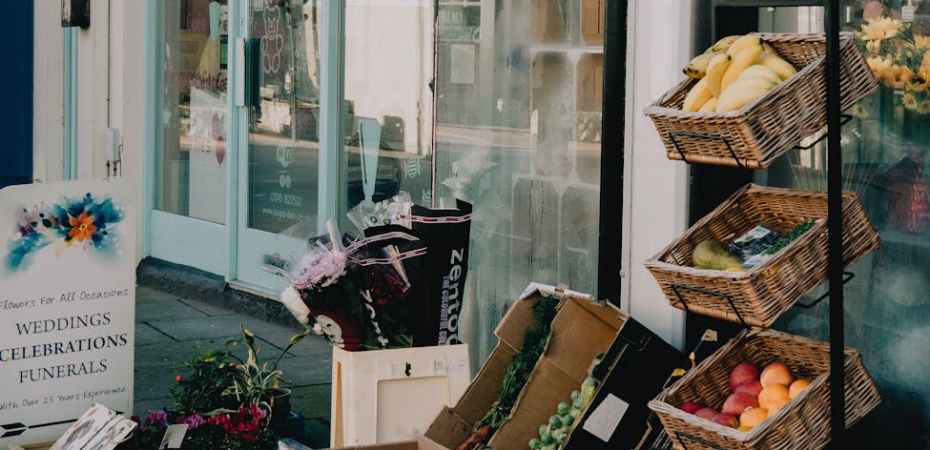
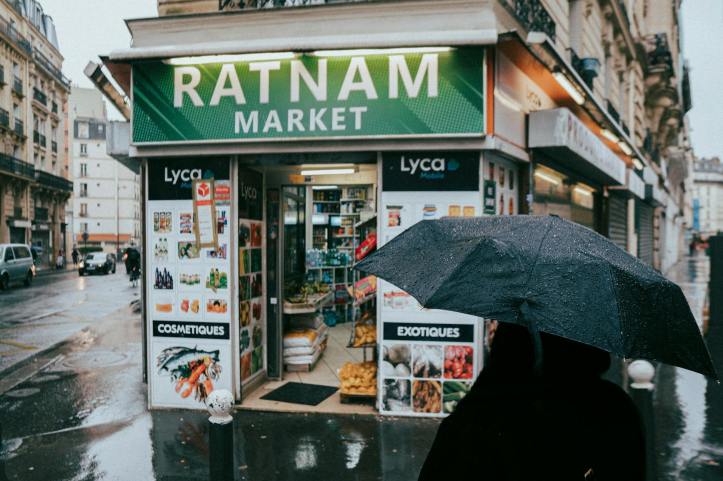
In Paris, nearly every street has its own corner store, a little shop packed with characters and essentials — the kind I thought had disappeared decades ago. The shopfronts are a little worn, the aisles barely wide enough for two people to pass. Newspapaers, cigarettes, drinks, canned goods, and cheese spill out from crowded shelves and humming fridges. Prices are scribbled on tiny white stickers, and behind the counter sits the owner — cashier, clerk, and accountant all in one — jotting down each sale by hand in a small ledger beside the register.
After school, kids love stopping by the corner store near campus to hunt for little treasures — candy, snacks, drinks — all it takes is a few coins to feel rich. On the way home, adults might suddenly remember they’re out of toothpaste, shampoo, or a pack of AAA batteries, and this is exactly the place to pick them up.
The eggs sit in a big basket by the counter — fresh, unrefrigerated, and usually delivered by local farmers that very morning. You can hand pick the ones you want. Fresh herbs like basil or mint, or dry goods like couscous, pasta, or basmati rice are all easy to find here. If it weren’t for different skin tones and languages around me, I’d think I’d time-traveled back to 1990s Taiwan.
The thought of the corner store of my childhood always brings back the taste of HeySong Sarsaparilla soda. The soda came in glass bottles. The shopkeeper would pop the cap and pour it in a plastic bag, add a pinch of salt and slide in a straw. On sweltering summer days without air conditioning, nothing felt more heavenly than sipping that fizzy and cold sweetness from a bag — the taste of summer, the taste of paradise.
But that “tiny paradise” from my village shut its doors two decades ago. I wonder if such corner shops even exist anymore in Taiwan.
Taiwan now is an island that values efficiency and convenience. The 24-hour convenience stores, always air-conditioned, let you buy expresso, pay bills, pick up packages, reserve concert/train tickets, copy documents — you name it, they’ve got it. You can walk in, say nothing, and get everything done in silence.
The traditional corner store didn’t ship parcels, nor did it glow with neon lights around the clock. But it was the kind of place where buying a bottle of cooking oil came with a bit of small talk — a spot to exchange neighborhood gossip. A place where kids ran errands with no written list and never came home with wrong item. Where the owner would write it all down in a little notebook, and you’d pay it off when the month was done.
But as people’s pace grew faster and faster, the times chose efficiency over warmth. And so, one by one, the shutters of the corner stores came down — never to rise again.
But Paris is different.
This city seems to resist speed and reject conformity. People are willing to walk extra blocks just to buy the perfect baguette from their favorite boulangerie. They’ll linger at a market stall, chatting with the vendor for ten minutes over a handful of herbs — not because they are not busy, but because they are not in a hurry.
Here, shopping isn’t a task — it’s a social ritual, a daily exchange between people. You learn the grocer’s name, and he remembers the cheese you love. Once in a while, he’ll tuck two ripe apricots into your bag and whisper, “Just right for today.”
People seem to value the freedom to choose, the unhurried pace of life, and the warmth of human connection. That’s why these little shops flourish — they don’t just sell things; they offer a life unstandardized. A kind of recognition that says, “You’re known here.”
Every time I step into one of Paris’s corner stores, with their crooked shelves and cluttered aisles, and seeing the shopkeeper slowly feeding fresh oranges into the juicer, I’m reminded of a kind of trust that once lived in Taiwan — a trust written in little ledger books, built on familiarity and warmth.
We’ve came to believe that progress means automatic doors, air conditioning, and contactless payments. And somehow, indifference has become a byproduct of convenience. But here in Paris, life still has a pulse. People chat while counting out coins, and the rhythm of daily exchange holds a human kind of grace.
Are corner stores a thing of the past? In much of the world, yes. But not in Paris. Here, they’ve survived — not in spite of the times, but because of a uniquely french way of living that fiercely protects the beauty of slowness and sincerity.
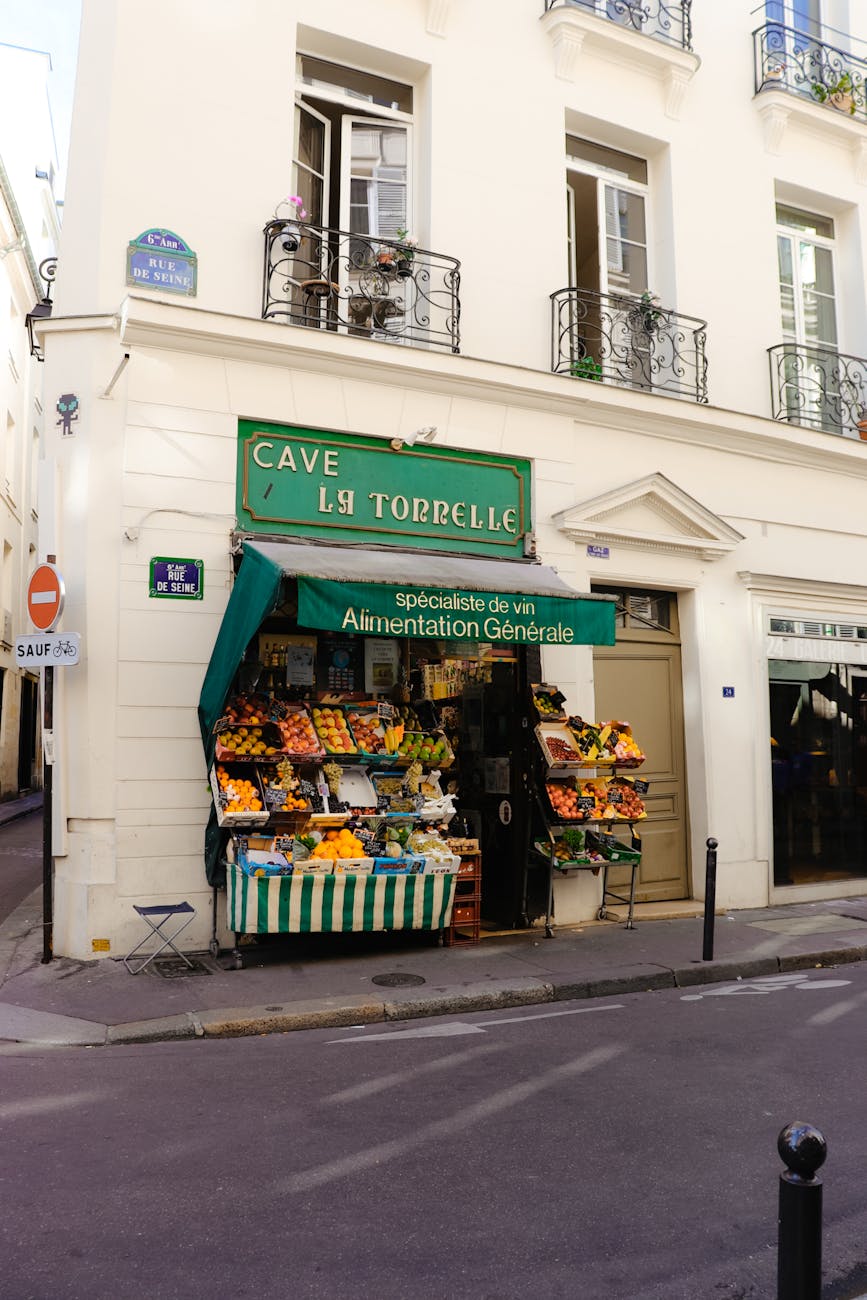
在巴黎街頭幾乎每條街都有一間『柑仔店』,是很傳統的那種雜貨店,每一家都有自己的風格。店面舊舊的、走道窄窄的,煙、酒、報紙、火腿乳酪,賣的東西多到溢出來。標價是寫在指甲大的白色貼紙上,老闆兼伙計坐在收銀台後,收銀機旁放著一本記帳小本本,結帳時老闆便俐落地『手動輸入』帳目。
孩子們放學後最喜歡到學校旁的『柑仔店』去淘寶,糖果零嘴加上飲料,幾個銅板就能買到滿足。大人回家路上想到忘了買的牙膏、洗髮精、還是三號電池,也都能在這裡補齊。
店裡的雞蛋是裝在大籃子裡,通常是農家當早送來的溫體雞蛋,要多少個自己挑了拿盒子裝。做菜用的新鮮羅勒、百里香,或是北非小米、義大利麵條、印度香米等乾貨,也應有盡有。要不是這裡的人膚色、語言不同,我都以為自己穿越回了台灣90年代!
我記憶中的『柑仔店』是袋裝黑松沙士加鹽巴的味道,冰鎮過的清涼,在沒有冷氣的年代,那袋沙士簡直就是人間天堂的存在。但村子裡的那間「人間天堂」已經關了快二十年,我想,台灣的『柑仔店』應該已經完全絕跡了吧。
台灣這塊土地,習慣效率,講究便利。 24小時都開著冷氣的超商,能繳費、取貨、訂票,想得到的功能一應俱全。走進去,一句話都不用說,就能把所有事都搞定。
『柑仔店』不能寄包裹,也沒有全年不關的霓虹燈。它曾是人們去買包煙、買瓶沙拉油,順便閒聊八卦的地方。它是一個可以差遣孩子去跑腿買麵粉、醬油,不比多説也不會買錯東西的地方,東西還可以記帳,月底再一起結。
只是,人們的腳步越來越快,時代選擇把「效率」擺在「溫度」之前。於是,『柑仔店」的鐵門一間間拉下,就再也沒有打開過了。
Paris is different.

It seems to resist speed and reject conformity.
People here are willing to walk extra blocks
just to buy the perfect baguette
from their favorite boulangerie.
They value the freedom to choose,
the unhurried pace of life,
and the warmth of human connection.
That’s why these little shops flourish —
they don’t just sell things;
they offer a life unstandardized.
A kind of recognition that says,
“You’re known here.”
但巴黎不一樣。這座城市好像拒絕快速、抵制盲從。人們會為了一條麵包、多走兩條街去找心中那間最對味的麵包店。會為了晚餐要用的一把香料,在市場攤位前跟老闆聊十分鐘,不是他們不忙,而是他們『不急』。
在這裡,購物不是任務,是社交,是人與人的交流,一種日常的儀式感。你會知道『柑仔店』老闆的名字,他也會記得你喜歡的乳酪又到貨了,有時他還會偷塞兩顆杏桃到你袋裏,説:「這今天吃,剛剛好。」
巴黎人在乎選擇的自由、生活的節奏,和那一點點『人』的氣味。所以,『柑仔店』在這裡活得很好,因為它們賣的是一種「非制式化的生活」,一種「我知道你是誰」的熟悉。
每次走進巴黎街角的『柑仔店』,看到貨架上歪斜錯落的商品,老闆慢悠悠地把一顆顆柳丁放進壓汁機的身影,我都會想起台灣那消失已久,記在帳本上的信任和人情味。我們以為文明是自動門、冷氣、和手機支付,但這些『進步』卻繁衍了『冷漠』。可是,巴黎人選擇用他們自己的溫度生活,用銅板在找錢的空檔閒話家常。
雜貨店過時了?在世界上很多地方,是的。但在巴黎,它沒有被時代犧牲,反而是被法國人獨有的生活哲學,堅定地守護著 — 那份『慢』與『真』的日常。
 Ayïma 阿儀瑪