In Paris, you don’t have to look for sorrow.
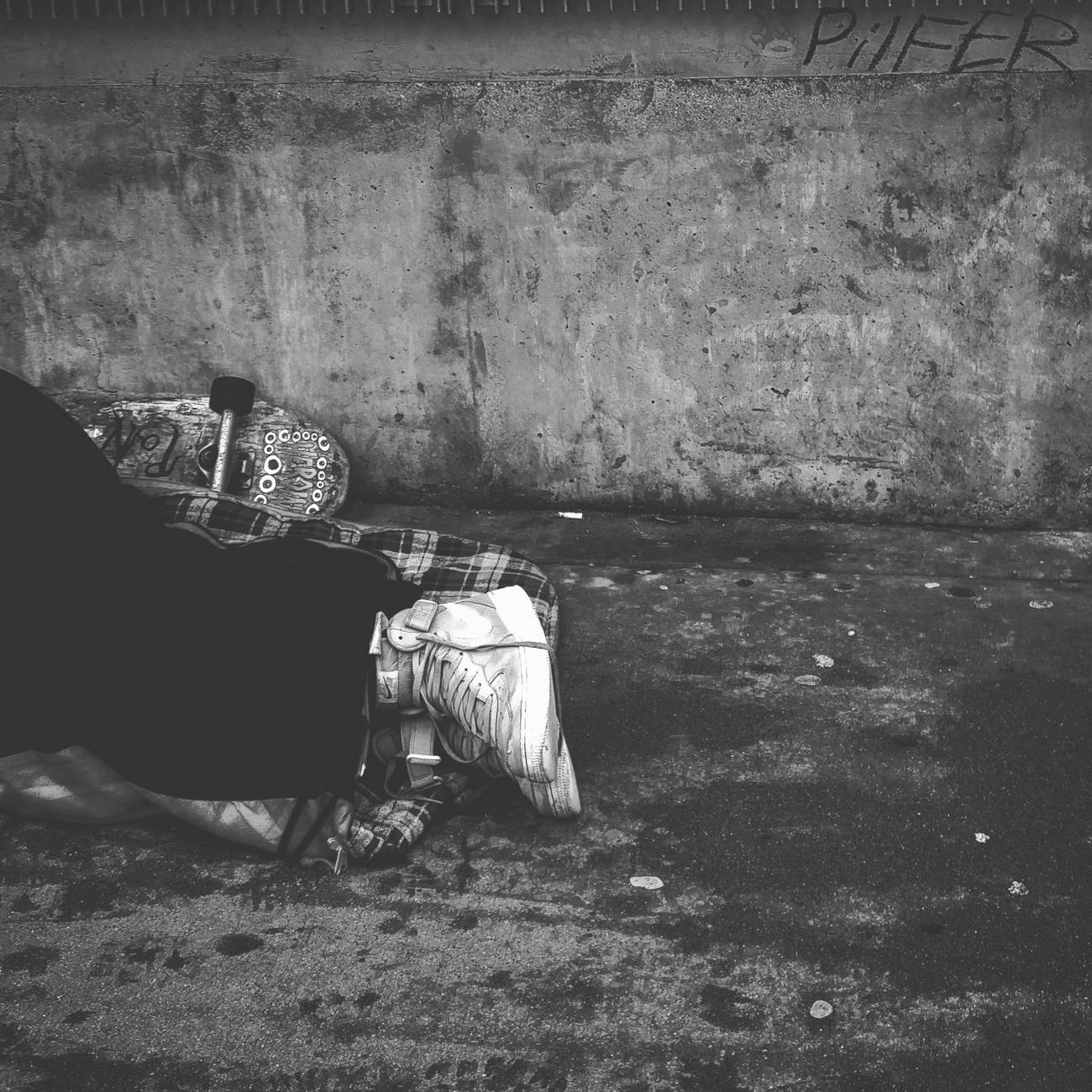
It sits quietly beneath the eaves along the streets,
leans against the tunnel walls where subways meet,
or crouches beside the glass window of a boulangerie,
watching life move on without it.

It may be too drunk to hold its wine bottle steady,
or sit on the ground, eyes empty, staring at the sky.
Sometimes it boards the metro and cries out,
“Mesdames, Messieurs, ayez pitié.”

I often stop and watch them,
wondering what their stories once were.
Perhaps they too once wore clean coats,
pushed a stroller, bought a baguette on their way home—
until one day, the world collapsed:
the house, the job, the family,
and finally, the faith that held it all together.

Different people play out different stories,
yet the gaze they receive is always the same—
a look I know well,
perhaps too well.

For nine years before high school,
begging was part of my daily life.
I wasn’t asking for money,
only for the leftovers my classmates were about to throw away.
I fed those scraps to our chickens,
turning what others had discarded
into food that slowly found its way back to our table.

Even so,
in the eyes of others I was still the beggar,
the shameless girl.
Their looks stung—
as if I were a filthy rat that ought to disappear on the spot.

The disgust in those eyes was a branding iron,
pressing into my face day after day.
Even after thirty years,
the burn of that shame still warms my cheeks.

I didn’t want dignity?
Of course I did—even as a child.
I felt no shame?
How could I not?
But when a person has no food,
less than even a stray dog,
what use are dignity and pride?

So what if my face was already burned raw?
The next day I still walked into the school to beg,
because that was how a small child stayed alive.

Years later in Paris,
when I see those who lower their heads
and reach out their hands,
I see myself—the child I once was.
A six-year-old face,
a frail frame unable to lift its head,
stepping again and again on the shards of its own dignity,
standing up each time,
walking back into the classroom,
back into that place where pride was trampled,
to beg once more.

What kept me going was courage—
the quiet defiance of wanting to live.
We return, again and again,
to the places where we were shamed,
repeating the very acts that drew contempt.
It isn’t the loss of dignity;
it is the sacrifice of it,
to hold on to that last thin edge of life.

The light of Paris is too beautiful.
Beneath it,
the figures who beg become the sorrow of the city,
the shadow cast by all its brilliance.
That cry in the metro—“J’ai faim”—
is a voice asking, not just for food,
but for the smallest chance of being seen.
They are not pleading for pity,
nor asking the world to witness their failure,
but begging it to see their courage to go on living.

My dear friend,
if you ever come across the sorrow of Paris,
you might turn your head away because it hurts to look.
Your hand may reach into your pocket,
unsure what to take out—
a coin, a little sympathy, or a handkerchief to cover the smell.

But if you choose to stop and truly look at them,
let your eyes say what words cannot—
I see your courage.
Then offer them, with a gentle,
“Bonne journée.”
Many might think those who beg are lazy and shameless.
But anyone who has ever been there knows —
to stand in the same place every day,
to face the crowd’s indifferent eyes,
and still find the strength to ask for life itself,
takes more courage than most will ever understand.

It isn’t the absence of shame,
but the refusal to be erased by the world.
Dignity does not vanish;
it retreats deeper, into the quiet resolve to live.

Courage is fed by disdain
and grows in the barren soil of despair.

This piece is for all those the world has looked down upon,
who still choose, every day,
to go on living.


 Ayïma 阿儀瑪