
Prologue
Some journeys are chosen. Mine began in a place where choice did not exist.
This book traces the arc of a girl who once scrubbed factory toilets at dawn and rode slow trains to chase an impossible dream – until one day, she stood in front of the Presidential Palace, still wearing the bruises of poverty, but looking up at the sky for the very first time.
These stories are not merely of academic success or social mobility. They are records of hunger – in the belly and in the soul. A girl’s longing to be seen. To be allowed to want more than survival. To love, to learn, to live with dignity.
These pages begin where A Green Blade in the Desert left off: at the moment of breaking through. You will walk with me through the narrow alleyways of early morning commutes, through the shame of being called “a disgrace,” through the ache of sleeping on someone’s living room floor. You will sit beside me at a science fair, where I stood alone among confident students, grasping at a language I was never given the privilege to learn. You will see a girl so used to being invisible that a classmate’s lunch offering felt like a miracle. A girl who dared to teach even as she bled from the knuckles of poverty, who taught herself to rise not from talent, but from sheer necessity.
But you will also witness friendship, laughter, and secret codes between girls on trains. Teachers who handed me tools when no one else would. A classmate’s mother who packed a lunch for someone else’s daughter. These acts of compassion became the light I carried through the dark winters.
This is a book about becoming. Not because life became easier, but because I became stronger. More lucid. More whole.
I write not for those who have walked the same road, but for those who have ever wondered whether they were allowed to dream beyond it. This is not a tale of being “chosen.” It is a story of choosing, again and again, to rise. Of carrying the wounds without letting them become walls.
To the ones still sleeping on floors, still whispering their dreams to the night: I see you. This book is a lantern, lit from within, passed from hand to trembling hand.
May it find you.
Chapter 1 Stepping Out of The Well
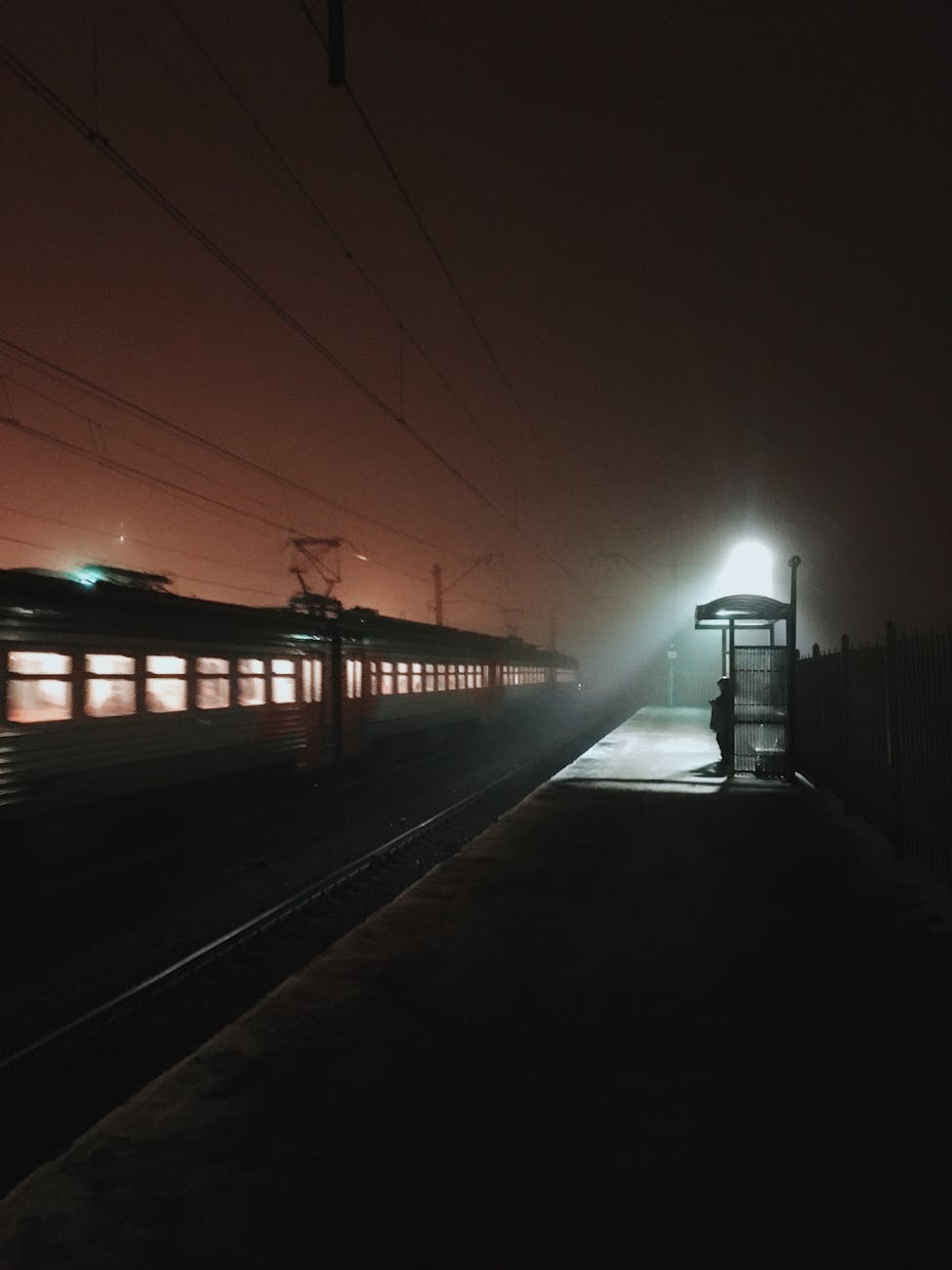
August 30th 1994, The alarm rang at 4:30am. I jumped out of the bed to wash up, eat breakfast, and made my lunch. I didn’t want to be late. Today was the beginning of my high school journey.
At exactly 5am, I was on my bike, pedaling toward Puxin train station to catch 5:21am train heading north. The platform was mostly empty, except for a few early risers and the stationmaster, ringing his hand bell like clockwork. The train rolled in slowly. I stepped aboard, choosing a car without much thought.
There was no air conditioning on this old local train, just ceiling fans dangling overhead, struggling to drive away the stale scent of worn-out leather mixed with years of sweat. I found a clean seat and opened the window. The moment my eyes met the passing fields, I left behind the tug-of-war between fan blades and history’s lingering smell.
The train carried a quiet procession of dream-chasers, gliding through the crisp air of early autumn, bound for each of their destinies. As I stared out the trembling window, watching trees and houses blur into the past, I asked myself: Has the darkness truly retreated? Or is it merely a trick played by the God of Sleep? When I awaken from this dream, will I still be gazing at the sky from the bottom of a well, trapped in that same dim hollow, repeating day after day?
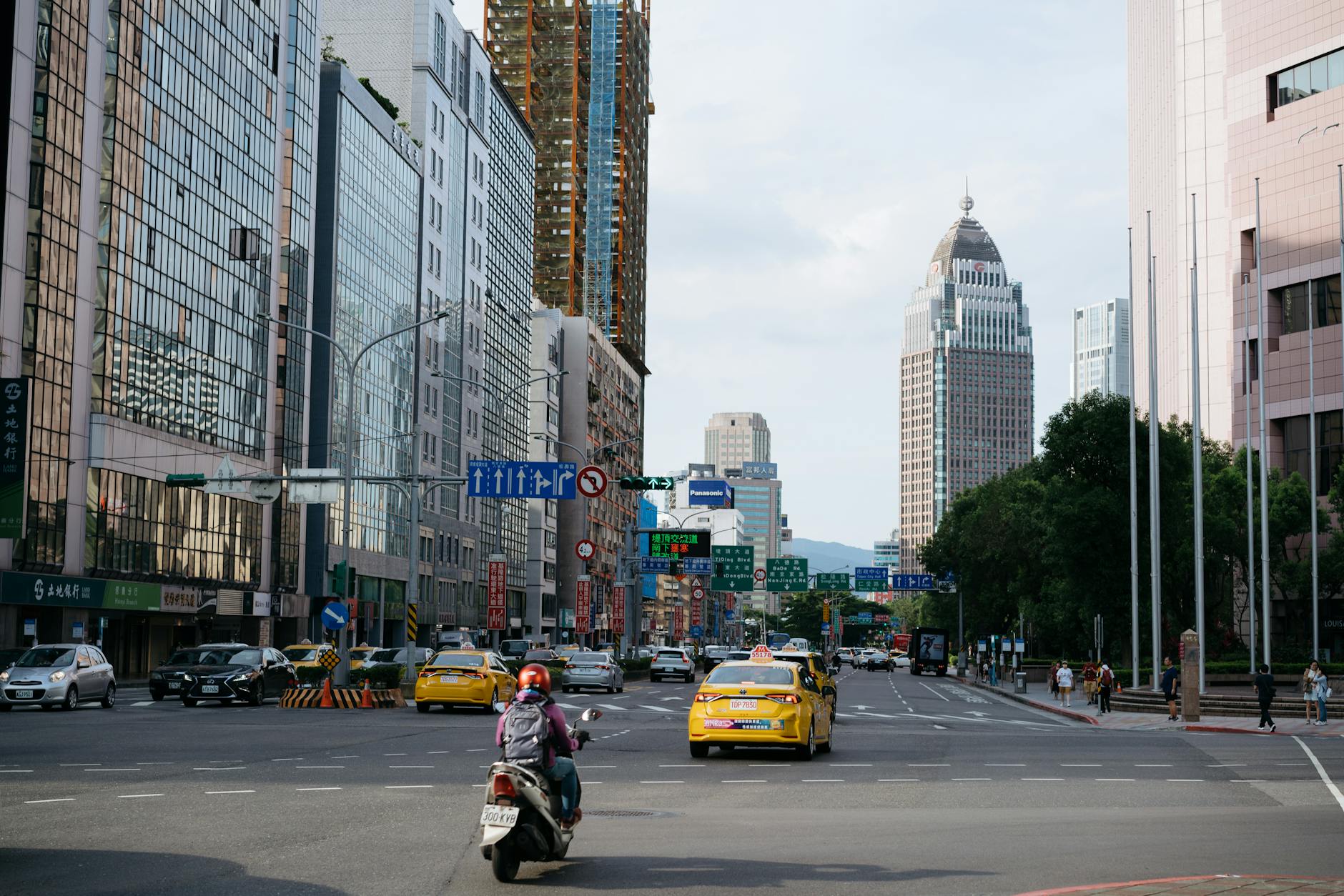
Lost in thought, I was jolted back to reality as the train gave a sudden lurch and came to a stop. We were here at Taipei Main Station. I followed the crowd off the train, my heart brimming with anticipation and excitement. Stepping out of the station into an unfamiliar world, I had no idea where to go. Then I spotted a student of Taipei First Girls High School ahead, I instinctively trailed behind her. As we walked, I quietly memorized the street names – Zhongxiao West Road, Gongyuan Road, Chongqing South Road – so I could find my way back after school.
I arrived safely at the school gate, officially stepping into my high school life. All the first-year students were assigned to classrooms in the Zhongzheng Building. My class, Class-Jian, was located on the second floor, right in front of the staircase. When I entered the classroom, a classmate told me to sit according to our student ID number. I was number twelve – second row from the door, last seat in the back.
The bell for the first class rang. Everyone sat quietly at their desks, waiting for the teacher to arrive. I glanced around the room. So many young faces with hope and dreams, gathered at this brand-new starting line. There was a vibrant energy in the air, alive with possibility. Youth made everything seem within reach. It felt as though each student could hardly wait to pick up their pen and begin sketching out the story of their own life.
Would I be able to make new friends here? A quiet unease stirred in my heart, yet it was laced with anticipation.
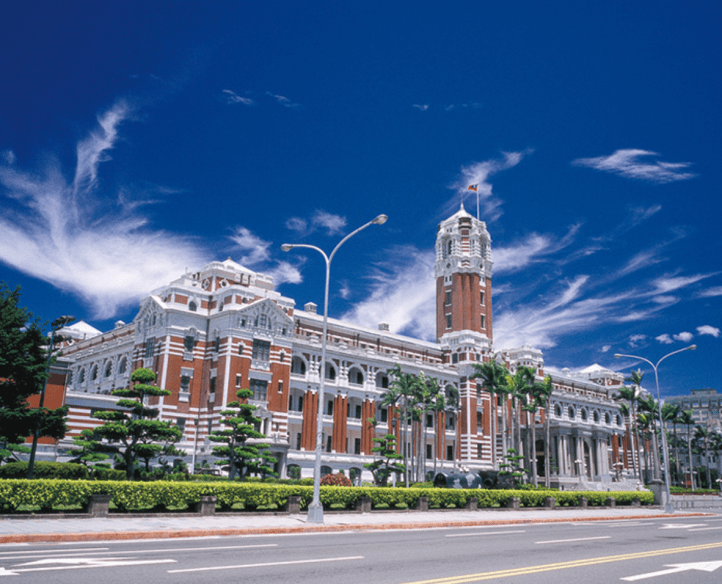
After school, I stepped out of the gate and was greeted once again by the blinding sun. I paused for a long while near the school entrance, quietly studying the Presidential Palace. Sunlight poured over its central tower as the guards finished their ceremonial shift change. This place – once just an image on television – was now standing before me, real and immense. Last time I was here, I had been too busy focusing on the Entrance Exam to notice anything around me. But now, standing still, I could take it in – the solemn grandeur of the red-brick, gray-stone symmetry, so European in style. How many weighty decisions for the nation had been made within those walls?
There was something surreal about being neighbors with the president. My first step out of the well and into the sky had brought me here, to the heart of power. At this new starting line, I looked up and asked myself: How high is the sky?
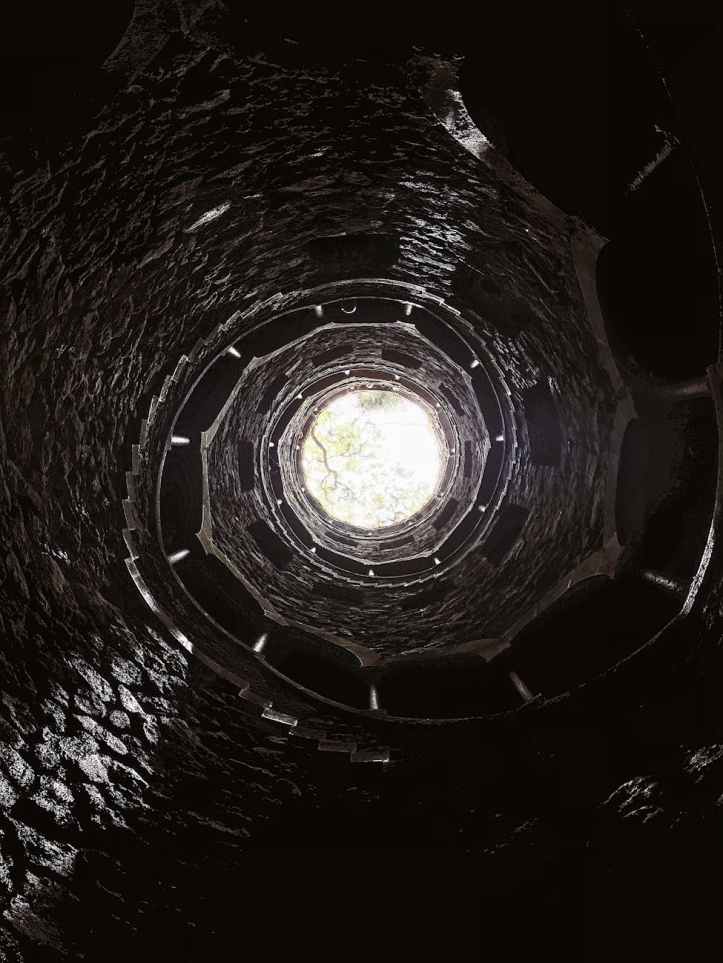
Born into poverty, I was thrown into the bottom of a well the moment I entered this world, unnoticed and unseen. It was a place of darkness and injustice, where each day meant begging with my head down and working through endless nights. Even a simple lunch was a luxury beyond reach. Yet for the sake of a dream, I climbed – with bleeding hands – up the damp and lightless walls of that well.
Though I fell, wounded and weary, time and again, I chose to rise each time. I ignored the ridicule, ignored the pain, and kept my eyes fixed on that single shaft of light above the well – clenching my teeth, climbing on. The climb was lonely, each grip soaked in sweat and blood. And now, here I stood, on the brick-pavement in front of the Presidential Palace – the very heart of this nation’s dreams. It had only been fifteen years, yet it felt as if I had lived through several lifetimes, each etched with struggle and silence.
My eyes welled with heat. For once, I felt proud of myself. I wanted to ask the father I never knew, whose name I was never told. If you were watching from above, would you be proud of me, too?
As I looked up at the sky beyond the well, a quiet conviction rose within me: if I stayed focused and moved forward with courage, there would be no such thing as a dead end in life. So what if the sky was high? All it takes is one brave leap – then the sunlight will be within reach!

Soul Whisper : Some of us were born in places no one visits. We learn to grow in silence, to carry our dreams through darkness. We learn to love the night, not because it is kind, but because that’s where the light first found us.

Sometimes, there is no one waiting at the top, no applause, no pride reflected in others’ eyes. And still, we climb. We climb because something in us already knows: the sky is real and we are not forgotten. Not by the light. Not by the father we’ve never met. Not by the part of us that never stopped believing.

And so, on this day, standing under the same sky I once only glimpsed from a well, I spoke softly to the one I never knew - my father.

If you were watching, I want you to know I am proud of who I’ve become. I didn’t get here alone but I did get here through fire and faith. I hope - deeply, quietly, and truly - that you are proud of me as well.
Chapter 2 Becoming ‘Eighteen Bucks’
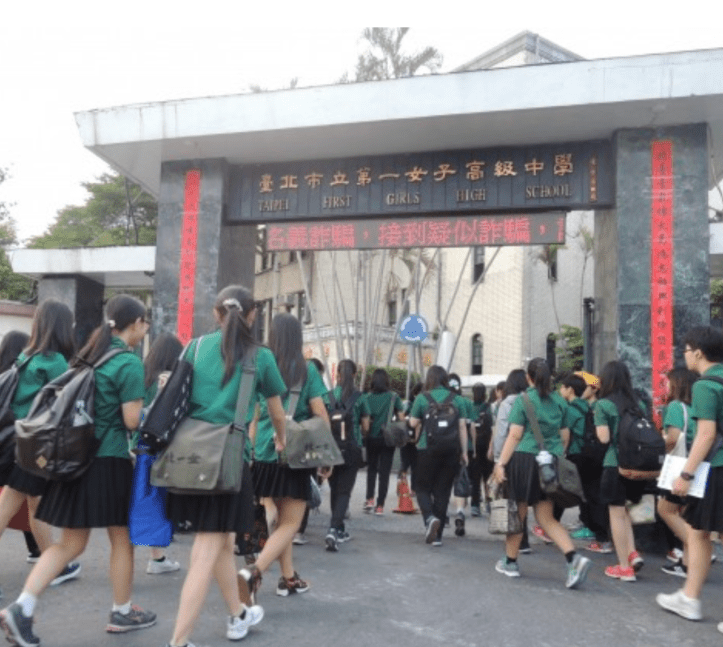
After walking back from the sunlit Presidential Palace, I returned to the classroom to begin my high school life – carried forward by early morning commutes and the rhythm of packed schedule.
Taipei First Girls’ High School, or “Beiyi” as we fondly called it, was an elite all-girls school known for its academic rigor, longstanding traditions, and fierce school pride. Our green uniforms became not just a symbol of identity, but a badge of honor. For many of us, it was the first place we were taken seriously – not as someone’s daughter, not as a poor girl – but as minds and voices that mattered.
Every morning, my school day began before the sun rose. I caught the early train into the city, along with hundreds of other commuters – strangers mostly, their faces blurred by sleep and routine. But among them were two bright constants: Sen and Wei. They were my dearest companions of Class-Jian.
After discovering that we were all commuting from outside the city, we quickly made a pact to ride together. We took the same train every morning and met in the first car like clockwork. Sen was the queen of one-liners, deadpan but wickedly funny. She always had a perfect punchline for everything, the kind that left us doubled over with laughter.
Wei was small and sweet, with a soft voice and a big love for Wakin Chau. She often brought me his latest albums and taught me to sing along. With the two of them joking and chattering besides me, that one-hour commute always flew by.
After arriving at Taipei Main Station, we would walk through the New Park on our way to school. In the early morning, the park was mostly filled with elderly people exercising and breakfast vendors busy setting up their stalls. Just outside the park, a few young men with crew cuts always stood idly by the roadsides. We’d heard they were undercover military police. Every day, as we passed them, the three of us would secretly give them scores based on their looks. It became our little morning ritual.
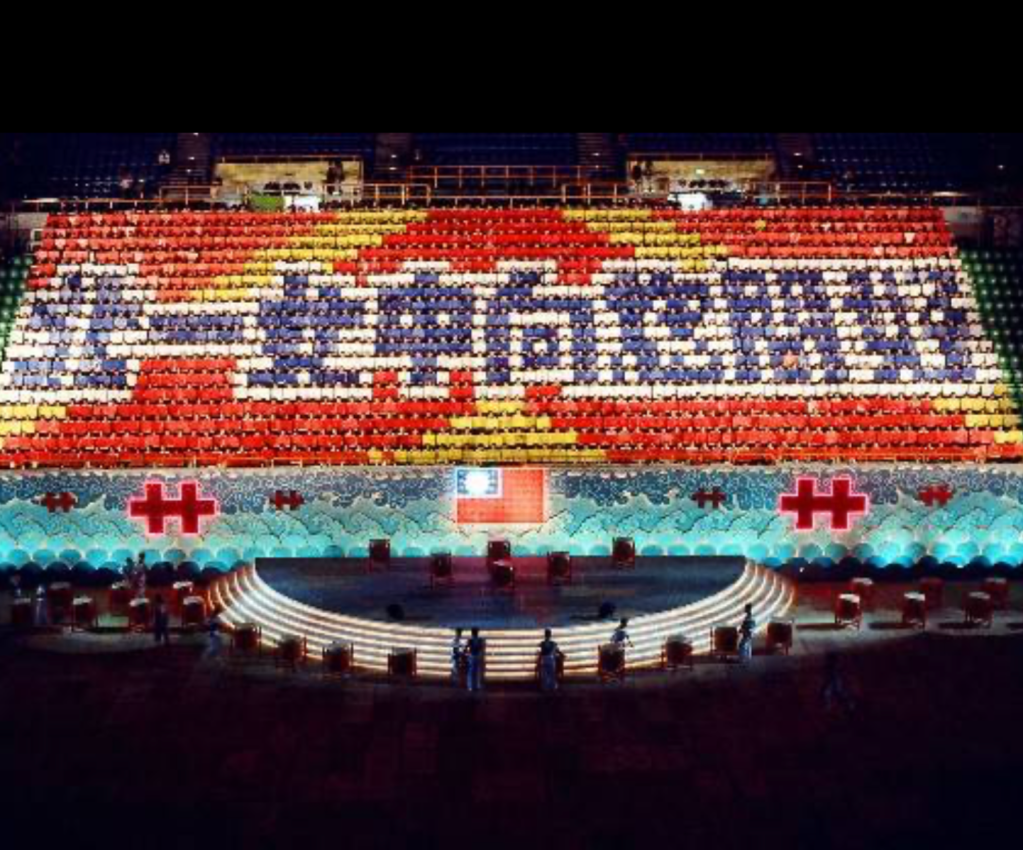
Life of our high school freshman was hectic from the start. First came the National Day formation drills. We had to practice until we could switch from flags to formations in a split second, perfectly synchronized. The repetition was dull, but it instilled in us a strong sense of team pride and tradition.
Cheer-leading competitions and relay races also filled our afternoons. On top of that, Wei, Sen and I joined the debate club. We spent hours arguing passionately – often against upperclassmen – about whether euthanasia should be legalized.
One evening, Sen and I stayed late at the library, gathering information for our upcoming debate. By the time we packed up our schoolbags and dashed to the train station, the next few southbound trains were all express ones. Sen had a monthly pass that covered express trains, so she hopped on without a second thought. But mine was only valid for local trains – the ones that stopped at every station. None were running for another hour.
“Come on, no one checks tickets anyway,” Sen nudged me. “You wanna sit here for another hour doing nothing?”
It was late and I was starving. The idea of sitting around doing nothing for an hour didn’t appeal to me at all. So I gave in to Sen’s brilliant ‘advice’ and got on the express train.
It was my first time committing a “crime” – if you could even call it that.
The train was packed – shoulder to shoulder, not a seat in sight. I clutched my schoolbag like a fugitive, wedged myself near the door. I stood stiff as a board, a bundle of nerves, eyes darting around and praying the conductor wouldn’t show up.
But of course – Murphy’s Law! The conductor, who was usually nowhere to be found, decided today was the perfect day to do a full sweep.
As he made his way down the aisle, step by step, I shot Sen a death glare that screamed, “ YOU’VE DOOMED ME!!”
Then I took a deep breath, ready to meet my fate like a martyr.
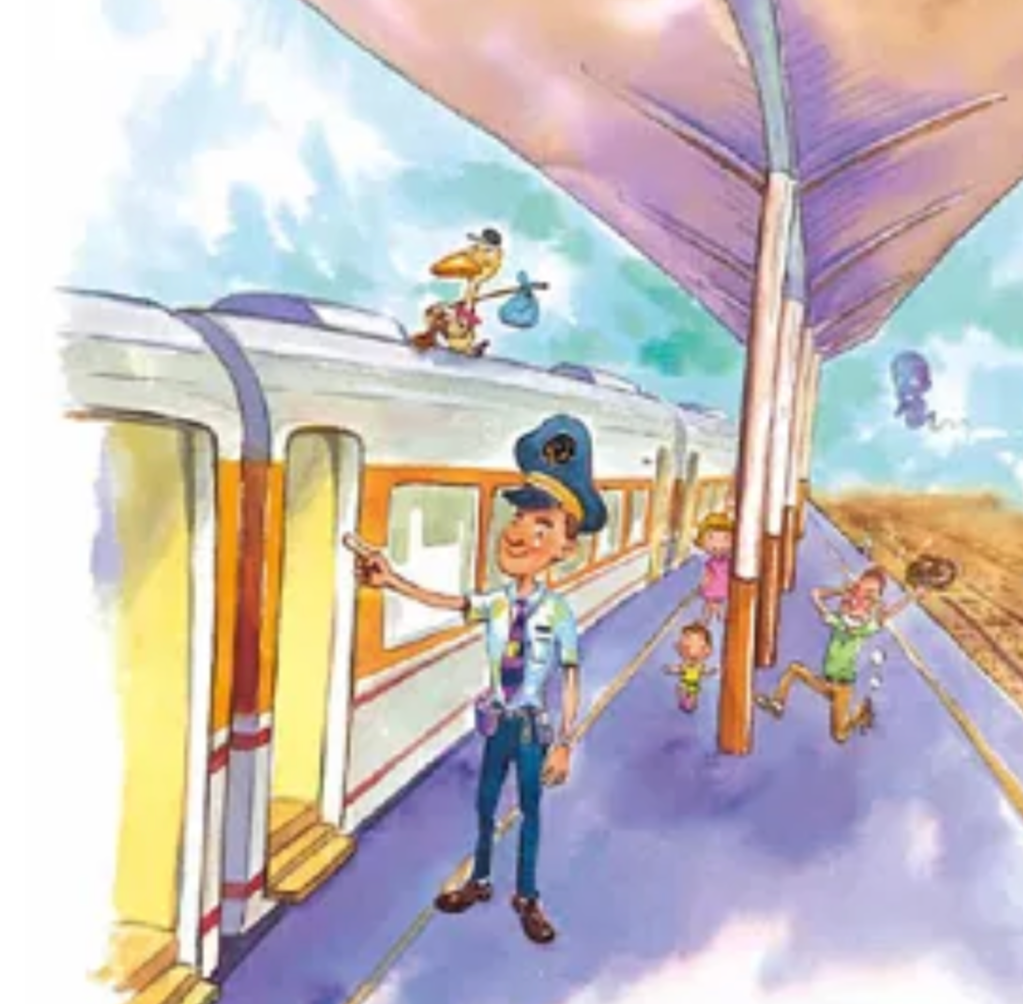
“Tickets!” the conductor barked like a military drill sergeant. He thrust out his left hand and brandished the ticket puncher in his right like it was a sword of justice, ready to smite the freeloaders.
Sen flashed her monthly pass like a pro and sailed through inspection. Then she turned to me with sparkling eyes, already savoring the drama that was about to unfold – my drama.
I, the poor unworthy soul, handed over my local train pass like a guilty puppy, hoping against all odds that the conductor might suddenly be struck by divine compassion. Maybe he’d squint, pretend not to notice. Maybe justice would take a coffee break.
He looked at my ticket, gave me a side-eye. And muttered something that, in the chaos of the noisy train, sounded like “eighteen.”
“Eighteen bucks? That’s not bad!” I thought, fishing out two ten-dollar coins from my wallet.
The conductor raised an eyebrow.
“Young lady, you are in THAT green uniform. Aren’t you supposed to be very good in math?!"
“I said sixty-eight. And that” – he pointed at my coins – “ is twenty.”
Sen was laughing so hard she could barely breathe. I flashed her a death stare that said, This is all your fault, then scrambled through my wallet and handed over a wrinkled hundred.
“Sorry, I must’ve misheard,” I muttered, “Here’s a hundred,” bowing a little.
So much for my life of crime.
Busted on my very first attempt – clearly not meant to walk the outlaw path.
“Eighteen bucks? What train costs that little?! Are you starving or just delusional?”
“Have you heard this train? It’s a freaking zoo! I thought he said eighteen!”
The rest of the ride passed in a blur of banter and laughter.
By the next day, the tale of my “eighteen bucks heist” had spread through the entire class – thanks, of course, to Sen’s dramatic reenactment, complete with sound effects and flair.
And just like that, “Eighteen Bucks” became my nickname.
At first, I didn’t find it that funny. After all, it came from a not-so-glamorous act of fare-dodging.
But as my classmates kept calling out “Eighteen” “Eighteen” day after day, the name started to grow on me. Maybe it was because I’d always longed for a name that was mine alone, one that came with a bit of laughter.
“Eighteen” marked the start of my tiny rebellion – a nickname born of mischief, sealed by laughter, and carried like a badge of belonging. It became a symbol of friendship between us girls, and the first moment I dared to step out of line.
Those green-uniformed days we shared were the happiest of my school life. We cheered each other on, chased goals together, and believed in one another’s dreams.
“Eighteen” – a misheard fare, a name born in giggles, a memory as real and raw as youth itself.
Soul Whisper : Sometimes it only takes a wrong train and the right friends to set us on the path of becoming ourselves. Not the perfect self, not the obedient self, but the version that dares to laugh, to break a rule, to belong.

That day, a misheard number became my name. But beneath the teasing and giggles, I found something I’d never had before -

A place in someone’s story.

A name, not given by family or duty, but born from joy.

And maybe, just maybe, that’s how we begin to heal: not by being flawless, but by being seen - in all our clumsy and glorious becoming.
Chapter 3 Beiyi Boss Fight I: Sink or Swim

Life in Beiyi was basically a nonstop boss fight!
Take English class, for starters. The entire course was taught in English – which, for someone whose hometown had more milk cows than English teachers, might as well have been Martian. I could barely manage a “good morning” without tripping over my tongue.
The teacher spoke like someone hit the fast-forward button on a cassette tape. And I sat there like a duck in a thunderstorm – clueless, blinking, and hoping the lightning wouldn’t hit me. To my left, the English class assistant was nodding so hard I worried her neck might snap. To my right, Jean – raised in the States – was breezing through English like it was her mother tongue (which, let’s be honest, it pretty much was).
And me? My quiz scores kept plummeting to previously uncharted depths, making me question not just my intelligence, but the meaning of effort itself. Apparently, in this school, hard work and results weren’t necessarily on speaking terms.
Math class wasn’t any kinder.
Forget the massive leap from middle school to high school – the real kicker was our math teacher’s enlightenment approach to teaching. He’d gesture vaguely at the blackboard like a Zen master dropping riddles, then leave us to achieve mathematical nirvana on our own. The results? Test scores dyed red like a battlefield.
Yes, Beiyi was full of brilliant students, but we weren’t mind-readers. We still needed someone to guide us through the landmines of trigonometry and geometry. While the school certainly had its share of legendary teachers, more often than not we got the shepherds: those who simply pointed toward the mountain and let the flock figure out the climb.
Then came the P.E.
Most of us had just clawed our way through middle school cramming nonstop, which meant had the stamina of underfed goldfish. But Beiyi valued “all-around development,” so no matter how scrawny your arms or how flat you feet, you had to face the battlefield known as Physical Education.
The infamous ‘3-2-1-1’ track routine had us gasping for air like beached whales. The three-step layup and one-minute free-throw drill were pure torture for my still-injured collarbone.
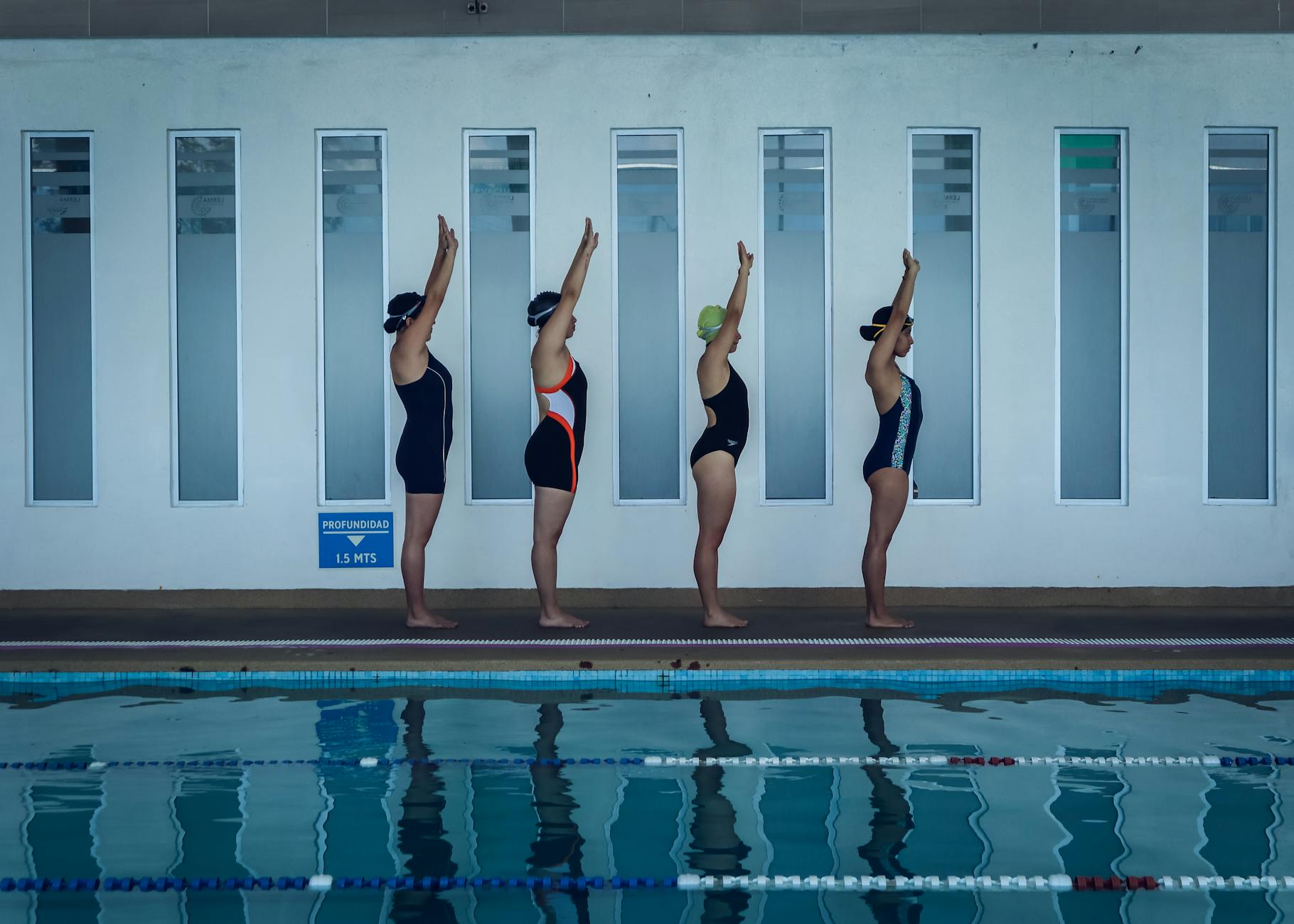
And then there was swimming class – a special kind of hell for teenage girls who had never touched a pool, let alone put on a swimsuit. It was a terrifying and deeply mortifying rite of passage.
Beyond academics and athletics, money – or the lack of it – was yet another daily hurdle. If I didn’t have a few bills in my pocket on the way to school, I felt oddly naked, like courage required a down payment. Even though we had the donations from kind neighbors, the fund could only last a few months. So I was constantly doing math in my head – not trigonometry this time, but survival calculus: how to grow my wallet and my nerve at the same time.
Turns out, after spending so long at the bottom of a well, I’d grown a pretty thick skin on the way up. Though my piano skills were only half-baked at best, I boldly pitched myself as a piano teacher for the neighbors’ kids. That green Beiyi uniform did all the advertising for me. I had no trouble getting students.
Call it beginner’s bravado or just shameless confidence – but despite my limited chops, I put on my best teacher face and taught like I meant it. Before long, weekends filled up with piano students. Just like that, I became The Rich One among my classmates.
But good times, as always, were short-lived.
Just two weeks before our school anniversary, our homeroom teacher dropped a bombshell in class:
“Eighteen, you’ll represent our class in the school’s science fair.”
Excuse me?! I was still basking in my piano side hustle glory – and now this?
It felt like the heavens took one look at my slightly improved life and said,
“Not so fast, peasant girl. You seem a bit too pleased with yourself. Here, carry this extra-large burden, fresh from the cosmic warehouse of suffering.”
Boom! New boss level unlocked!
I always knew my student life would be a series of sink-or-swim battles. Most of my classmates were treasured daughters, flanked by backup units in the form of private tutors, tiger moms, and vitamin supplements…
I had none of that.
No money for cram school. No parents who even knew what I was studying. No emergency hotline when trigonometry tried to kill me. Just me and my half-broken mechanical pencil, duking it out with destiny. Giving up wasn’t just failure. It was a free fall back into the bottom of the well, where regret and leftover rice porridge were waiting to welcome me home.
I’ve always believed it’s not pressure from the outside that breaks you – it’s the moment you decide to stop fighting. Sure, I had zero backup and next to no resources, but I had one thing no one could take away: pure and unshakable stubbornness.
I believe that if you truly wanted something, you’d find a way. So I started digging – not just into my pencil case for one last piece of lead, but into every scrap of knowledge I’d ever touched, every half-baked idea I’d ever scribbled down. I turned myself into a 24/7 learning machine, powered by grit and the hunger to stay out of the dark. Because sometimes, the only way out of the well… is to dig upward.
Drawing on my middle school science fair experience, I cobbled together a new project in two weeks. Jean helped me design the poster – thank goodness for her artistic flair and endless patience. On the day of the school anniversary, I marched into the exhibition hall with my nerves tied in a knot, ready to face an army of older, wiser juniors and seniors. The judges fired question after question at me. I did my best to keep up – and somehow, I made it out alive…. well…with only mild psychological damage.
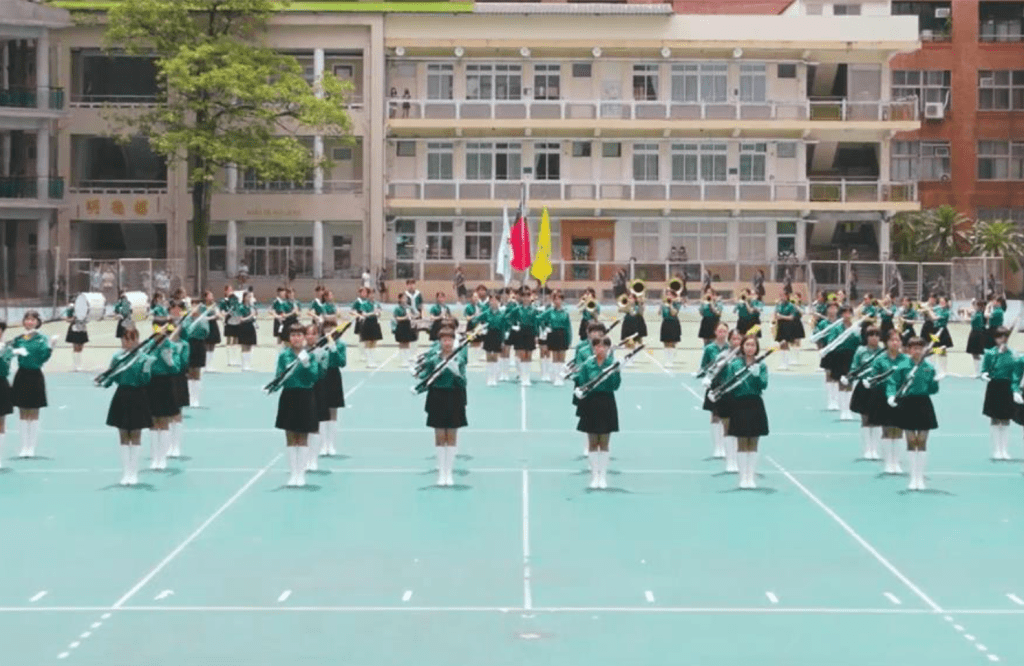
A few days later, during our daily morning flag ceremony – a mandatory ritual where the entire student body lines up at school courtyard to sing the anthem and try not to pass out from the heat – the winners of the science fair were announced.
To everyone’s surprise (and my utter panic), my name was called.
Little ol’ me, a first-year nobody, had somehow beaten a pack of upperclass science prodigies to take the top prize. And just like that, I was no long basking in piano side hustle glory. I was now the school’s official science fair champion. Which meant only one thing: I’ve been “volunteered” to represent Beiyi in the national competition.
Oh… God, help me!
The Beiyi journey was less of a school year and more of a surprise boss battle series. Challenges just kept popping up like evil mushrooms. And me? I was a freshly uncorked country bumpkin, barely out of my metaphorical well, blinking up at the wide-open sky of Taipei life – dazed, overwhelmed, and one English quiz away from spontaneous combustion.
All I could do was take one unsure step at a time. Good thing I am an optimist by nature: if a monster shows up, I fight. If I can’t win, I change tactics. Repeat until victory.
And now that I was about to represent Beiyi at the national science fair? Well, I needed to level up – fast – and craft something more impressive than my last-minute “please-let-this-hold-together” project.
So here I was, once again – under-leveled, outmatched, and toeing the edge of the deep water. I’d dog-paddled this far. Could I really swim my way past monsters I had no business facing?
Sink or swim – again!
Soul Whisper : No one taught me how to fight monsters. There were no swords handed down, no secret scrolls, on one to whisper, “ you can do it.”

What I had was silence, hunger, and a name that came from a ticket I couldn’t afford.

I was the the girl who went to swimming pool with injured shoulder, a broken pencil to math class, and a wide-eyed stare to English class. But I was also the girl who kept showing up.

When the world gave me riddles instead of lessons, I studied the shape of every bruise until it taught me something. When my legs ached from running, I ran anyway. Because stopping meant going back, and I had nothing left behind worth returning to.

This soul wasn’t born lucky. It was forged in secondhand clothes, cold sweat, and half-remembered formulas. I did not rise because I believe in greatness. I rose because I was tired of drowning. So when another wave came - another challenge dressed like an opportunity - I did not run.

I looked it in the eye,
took a shaky breath,
and whispered,
“If you are here to test me, then I am here to pass!”
Chapter 4 Beiyi Boss Fight II: Trial by Fire, Burn or Break
After winning the school’s science fair, I still had time before the national competition. So I rolled up my sleeves, dove deeper into research, and went on the hunt for a mentor who wouldn’t run away screaming.
Our math teacher – a sage on a mountain – detached from worldly affair and definitely not available for mortal concerns like science fairs. So I sought wisdom elsewhere. I turned to the computer teacher, a fresh-faced young man just two years out of University. I asked if he could teach me how to code a program for modeling my math theory. Without missing a beat, he said yes.
For the research part, I reached out to Mr. Lin, a substitute teacher from my middle school days, was now teaching in Taipei Country. I gave him a call, half expecting to be turned down. But to my surprise, he said yes without hesitation. He offered two hours a week to go through my research, completely free of charge.
With my research wrapped up, I called in my creative reinforcement – Jean, my one-girl design department. Thanks to her poster magic, the project was finally ready for prime time.
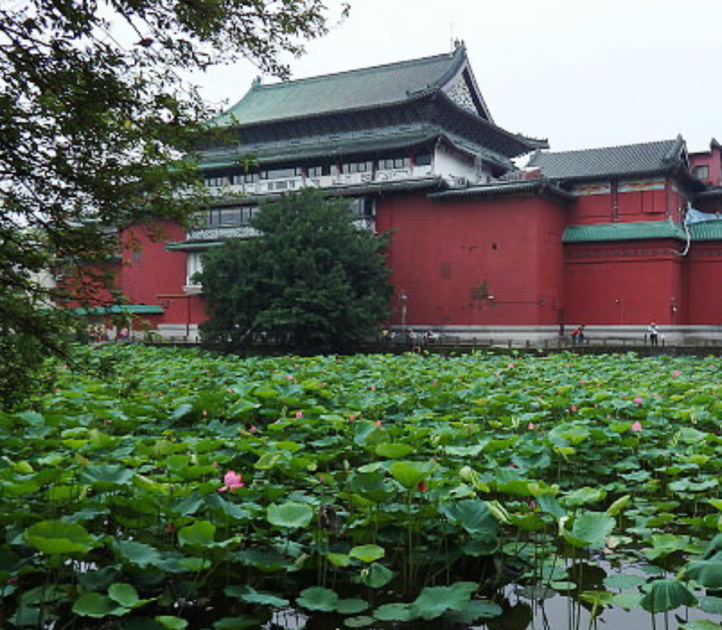
The National Science Fair took place during winter break, held at the National Taiwan Science Education Center nestled inside Nanhai Academy Park. It was my first time attending such a large-scale competition.
The building stood with a quiet dignity, tucked beside a lotus pond, its classic architecture radiating the charm of a bygone era. But it was the tail end of winter in February – too cold, too bare. The lotus blooms had long vanished, leaving no trace of pinks and greens. Just still and silent water, mirroring the quiet desolation I felt inside.
I marched into the exhibition hall clutching my poster like a warrior with her banner. Then I realized I was the only warrior without a tribe. Everyone else had backup: parents armed with snacks, teachers wielding advice, friends snapping photos like paparazzi. And I? Stood there like a single chopstick – noticeably out of place and completely useless for noodles.
Well… no time for dramatic sighs. I found my booth, tape up my humble masterpiece, and set off to check out the competition. This place was bursting with genius – solar powered hamster wheels, DIY volcanoes, and a robot looking so smart that probably could’ve done my project for me. My brain was spinning, but my eyes were having fun.
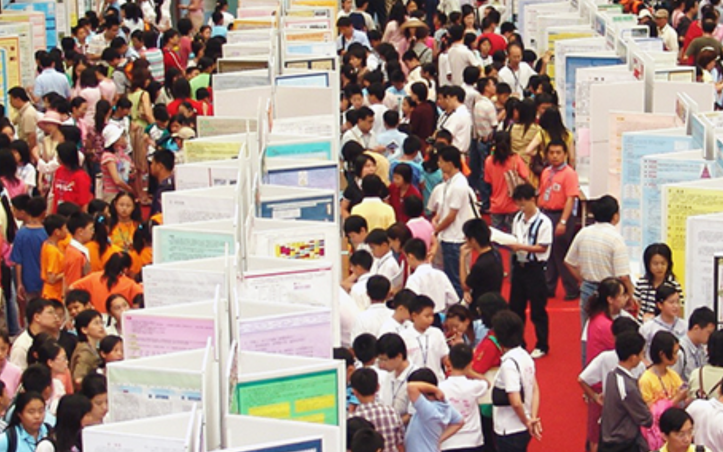
At exactly ten o’clock, the battle began.
The judges were no ordinary teachers. There were academic royalty: fellows from Academia Sinica and professors from the nation’s top universities. Their presence radiated such power that it nearly knocked the wind out of me. Their poker faces were carved from stone. My heart was galloping like a wild horse inside my chest, pounding so loudly I was sure everyone could hear it. I could barely breathe.
“Don’t panic! You’ve worked too hard for it. You’ve got this!” I told myself, inhaled like I was about to dive into icy water, and started answering their questions one at a time. No coach, on lifeline – just me, a lone gladiator in the academic Colosseum.
At lunch break, I bought a bento box and wandered over to the lotus pond to eat alone. The pond, stripped of its summer glory, lay hushed and hollow in pale winter light. A few half-withered lotus pads clung to the surface, suspended between defiance or surrender. A few ducks drifted lazily across the pond, utterly unbothered, keeping each other company like it was just another peaceful afternoon. Watching them paddle side by side, I felt a pang of something I couldn’t quite name – maybe loneliness, maybe envy. Even the ducks had family and friends, How much longer could I stay afloat on my own?
I looked at the shivering pads – brittle, trembling, still holding on. Kindred spirits, really. Both of us bracing against February’s unforgiving chill, unsure if we’d make it through….

A few days after school resumed, the Student Affair Office called me in with news. I had won the competition and would be representing Taiwan at an international science fair abroad.
Two weeks later, I attended the delegation orientation. Everyone else looked thrilled, buzzing with excitement. Me? I was busy trying not to faint. While others dreamed of boarding planes, I was mentally drafting my will.
I was the only student selected from Beiyi. My seniors had all been eliminated, and now all eyes were on me – as if I had become the torchbearer of our school’s honor. No pressure… not at all.
My fellow delegates from other top schools in Taiwan – confident, eloquent, and tossing around English like it was their second nature. They chatted about thesis structures and citation formats like they were trading the locations of favorite bubble tea shops. And me? Writing an English diary entry was enough to bring me to tears.
Then came the announcement:
“Everyone will be required to submit a full-length research paper in English.”
At that moment, my soul quietly exited my body.
Was it too late to fake my own disappearance? Or pretend I was just here to carry someone’s poster?
The room, suddenly, felt like one hundred and twenty degrees.
This wasn’t an orientation. This was a trial by fire!
One of those ancient rites where you either walk barefoot across coals and ascend… or trip and combust in front of an academic audience.
As I sat there in my green Beiyi uniform, I could almost hear the flames cracking beneath my chair, licking at my heels, daring me to flinch. What do you do when you are the only one without armor, without backup, and the heat keeps rising? A full-blown research paper? In English? I had no idea how I’d survive the flames – but I knew there was no way out.
So began the trial by fire!

Back at school, the pressure didn’t let up.
If anything, it doubled. While I was buckling under the weight of representing my entire school on the international stage, the PE teacher decided it was the perfect time to launch our freestyle swimming test.
Never mind that I still had unresolved water trauma – now I had to perform like a dolphin under pressure. Worse, our teacher had a … unique coaching technique: he’d “help” by using his foot to push our heads underwater in the name of correcting our posture. Nothing says confidence-building like being gently drowned in front of your classmates.
The only silver lining? Since quitting the janitorial job, my collarbone had finally started to heal. It didn’t ache as much – just on colder days. Which, compared to being drop-kicked into a swimming pool, honestly felt like a spa treatment.
Around that time, the school’s marching band began its annual auditions. Any student who met the academic and height requirements could sign up. I remembered Ms. Chang once saying: “The marching band is the heart of Beiyi.” Skipping it would be like going to Paris and not visiting the Eiffel Tower – it just feels…. wrong. So naturally, I did the only reasonable thing – go see the Eiffel Tower.
Thanks to my music background and decent-enough grades, I made it into the marching band, playing clarinet. Great! Just what I needed – another fire to dance through. Between science fair prep, my side hustle as a piano tutor, and now learning to march in sync without dropping my instrument. I wasn’t just juggling – I was firewalking blindfolded.
At some point, probably while gasping through a scale of clarinet or sweating over a Chemistry lab report, a thought ignited in my brain: maybe it was time to move to Taipei. Either that, or burst into flames right there in our band practice room.
Word got around (as it always does) and the local dentist in Puxin – whose daughter had also been admitted in a high school in Taipei that year – heard I was looking for a place to stay. He suggested that I could live in the apartment they had bought for their daughter. Sure, it wasn’t exactly next door to Beiyi, but compared to my daily three-hour commute, it was practically paradise.
Mother negotiated a monthly rent of 3,000NT. With that settled, I packed a single bag and headed north – on my own.
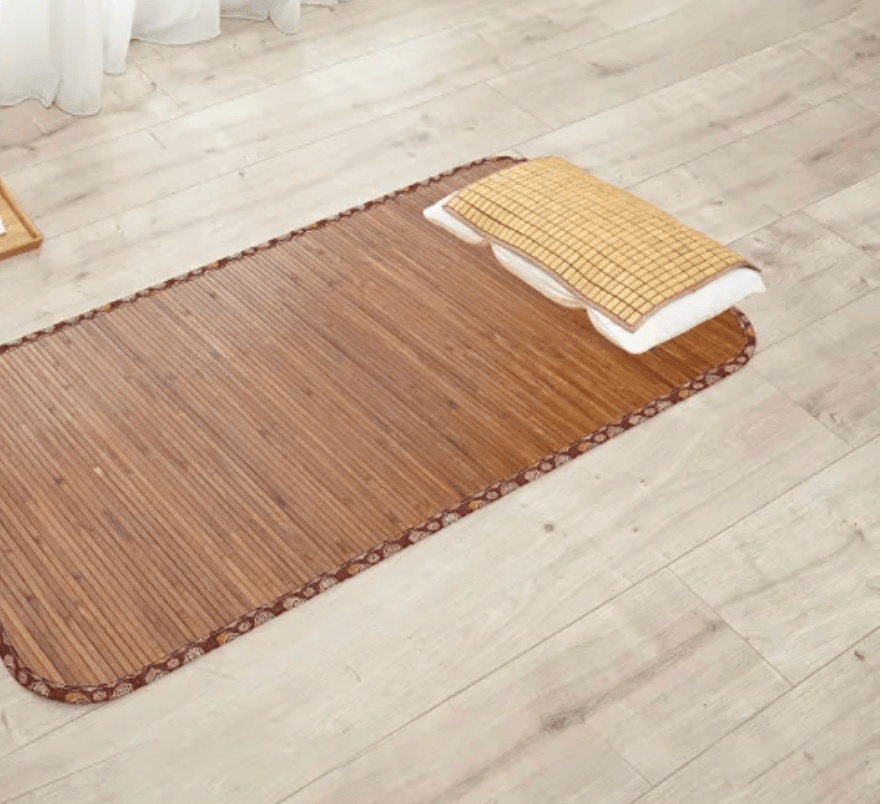
When I arrived at the apartment, I quickly realized it was a small one-bedroom apartment. The bedroom, of course, belonged to the dentist’s daughter. There was no bed, no desk, no designated space for me. My “room” was a bamboo mat laid out on the floor of the living room.
I was a little taken aback. But it was getting late, and I didn’t exactly have a Plan B. I went out and found a payphone nearby, called home to say I’d arrived safely and returned to the apartment to begin my life in Taipei – on a borrowed floor, with borrowed courage.
I looked down at the bamboo mat and thought, “Well, floor it is.” After all, I’d spent the first fifteen years of my life on a wooden plank bed and lived to tell the tale. How much harder could this floor be?! Probably not harder than life itself!
Then I looked at the low cabinet lining the wall and started making plans. I’d bring a tiny stool from home over the weekend and voilà – instant study setup. The cabinet would be my desk, the stool my throne. Fit for a scholar on a budget.
Thus began my out-of-town chapter – on a bamboo mat, under someone else’s roof, bracing for the next blaze life would throw at me.
Every day, the dentist’s daughter would plop down in front of the TV the moment she got home from school and stay glued there doing her homework until well past eleven. She was completely unfazed by the fact that someone else in the apartment might want to, say, sleep.
She was, after all, the daughter of a wealthy family – accepted into a high school in Taipei, welcomed by a waiting apartment. Every need anticipated before it could even be voiced. Tutors? Arranged. Snacks? Endless. Dinner? A daily parade of variety and abundance. Life for her, seemed to come with a built-in remote control: press a button and the world obliged.
While she dined like royalty, I clutched my humble 25NT coins and made my pilgrimage to the neighborhood bento shop, Taiwan’s budget version of a French traiteur. That could buy me a bowl of rice and maybe a couple of tired-looking vegetables. Meat? Fish? Those were luxuries reserved for the next life.
Every dollar I earned from tutoring was swallowed by rent, and in return, I was granted a prestigious plot of land – a single corner of their living room. My life, quite literally, unfolded at the edge of someone else’s comfort.
There is no pain without comparison.
In my head, a Taiwanese folk song begun to echo: “Other peoples lives were wrapped in gold and silver. Mine isn’t even worth a dime.” Every word pierced straight into my heart, drawing red tears that seeped into the floor beneath me.
It was sweltering night in June. The room was thick with trapped summer heat. Still, I pulled the blanket tighter, trying to fight a chill. The chill creeping into my bones didn’t come from the air. It was loneliness, rising from the floor like frost from a grave.
Two more years to go.
My world was fire by day, frost by night.
How much longer could I stay afloat?!
Soul Whisper : Not every warrior wears armor. Some arrive barefoot, with only resolve for a shield. I was one of them - fifteen, sleep-derived, and quietly on fire.

While others had English tutors and marched with teams of support, I walked alone into the blaze with a heart that wouldn’t back down.

The world called it competition. I called it survival. There was nothing fair about the battlefield. Some stood on marble floors, others - like me - on a bamboo mat.

Comfort was a luxury I had never tasted. And belonging? Just a rumor that never reached my ears.

No one saw the frost beneath my bamboo mat, the hunger behind my eyes, or the invisible weight of a school’s hundred-year honor strapped to my back. No one saw the cracks in my armor - because I had none. Only a soul tested by fire and a body refused to bow.

The quiet persistence - the choice to stay, to try, to not disappear - becomes a flame that keeps me warm.
Chapter 5 Beiyi Boss Fight III – Wind of Shame
After moving to Taipei, I no longer had to get up at 4:30A.M. to make my lunch box and catch the train. But I kept my early rising habit – waking up at 5A.M. to study for an hour before heading for school around 6:30. Breakfast was usually nothing more than a 10NT egg pancake, just enough to get by.
I had more time to work on my research paper now that I didn’t have to commute – but in English? That was a whole other language. Even my fluent classmates couldn’t help. I was on my own, armed with nothing but a dog-eared Chinese-English dictionary.
On the day of the meeting, I showed up at the Science Education Center with my “translated” write-up in hand, not feeling even a sliver of confidence. It was packed with words I had yanked straight from the dictionary – terms I’d never seen before, let alone memorized.
I stepped into the conference room. Sitting at the table was a professor from the math department of National Taiwan University. I handed him my write-up with both hands, trying my best to be respectful. He flipped through it in silence, never once looking at me.
After a long pause, he let out a cold breath, tossed the paper onto the table like it was something blown in by mistake, and looked up at me with pure disdain.
“What is this supposed to be? This English is completely incoherent. Who could possibly make sense of it?”
“Do you even know what kind of school you represent? You are a disgrace to that green uniform you’re wearing! This paper brings shame to your school.”
I knew my English was poor, that I wasn’t worthy of representing Taipei First Girls’. But the professor’s words – sharp as winter wind – lashed across my face like a whip. I wished I could disappear on the spot.
“Take this back and rewrite it! I can’t read through such drivel. Don’t waste my time!”
“Yes, Professor. I’ll revise it carefully.” I bowed deeply, swallowing my shame, and walked out in silence.

As I stepped out of the Education Center, the heat on my cheeks still burned. Menial chores had long been my daily reality – scrubbing toilets, taking insults, swallowing shame. I had long since learned to look past the scorn in people’s eyes. But that label – “a disgrace” – cut deeper than the rest, slicing through me like a cold gust, unraveling whatever confidence I had left.
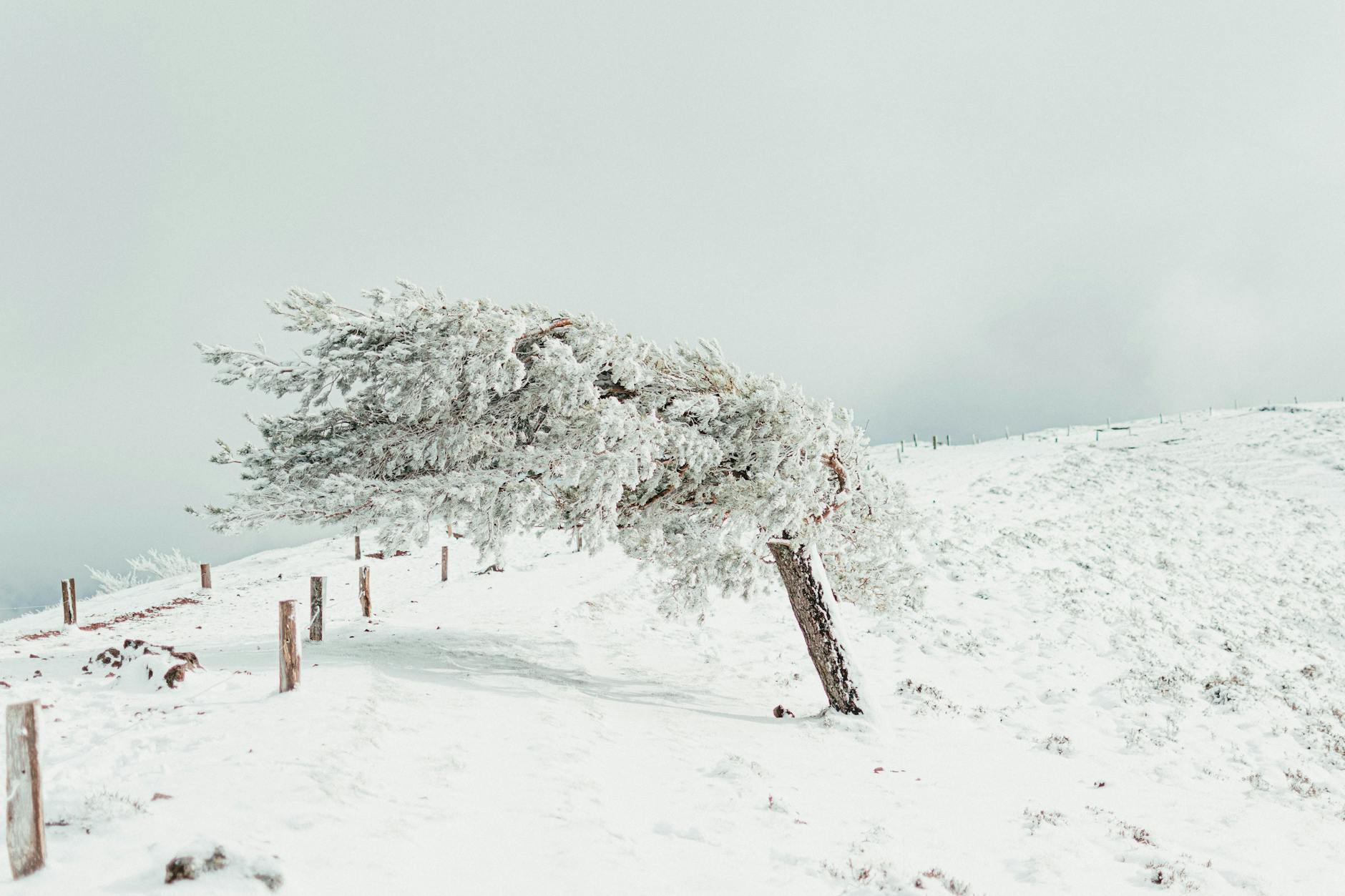
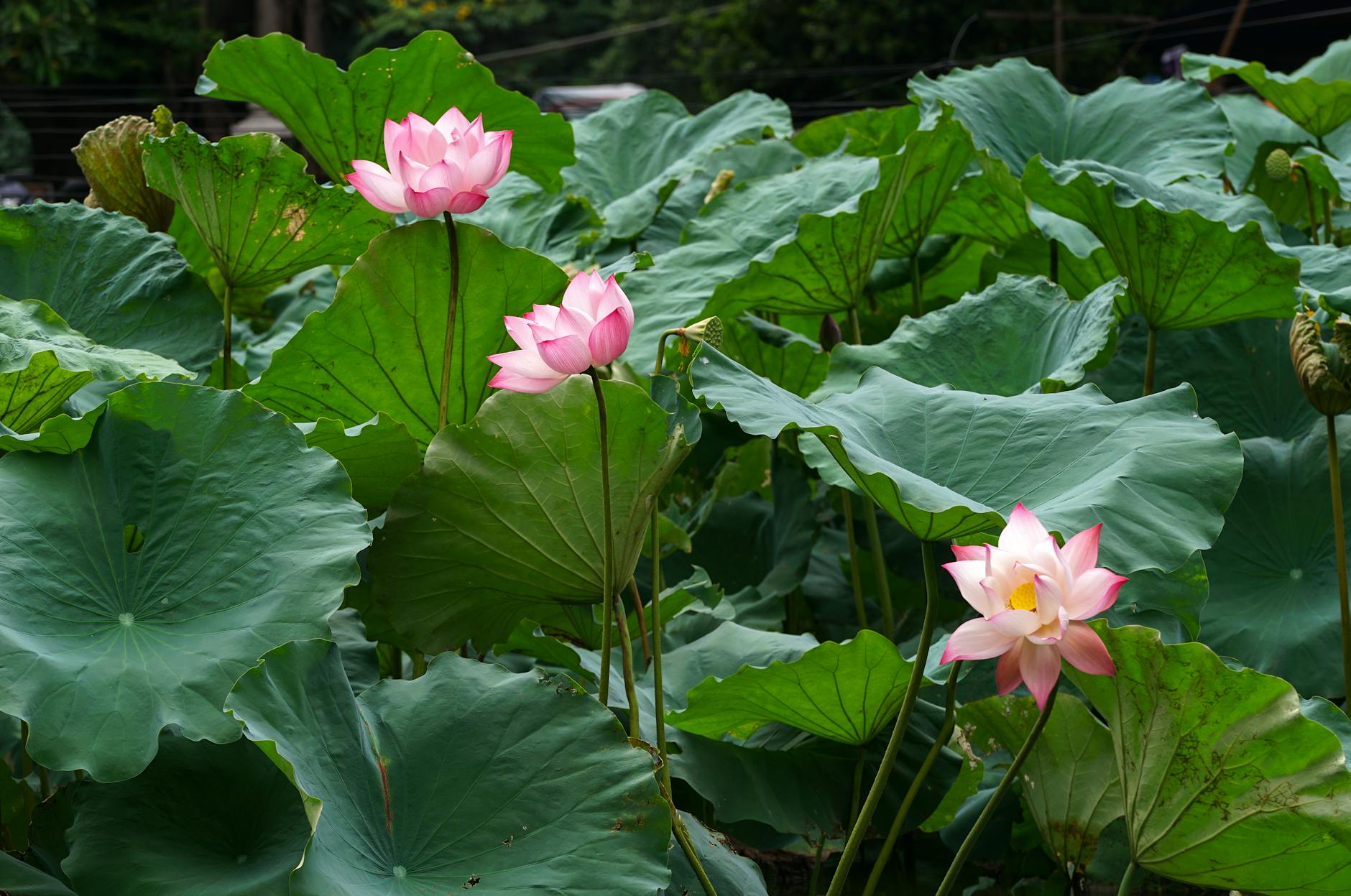
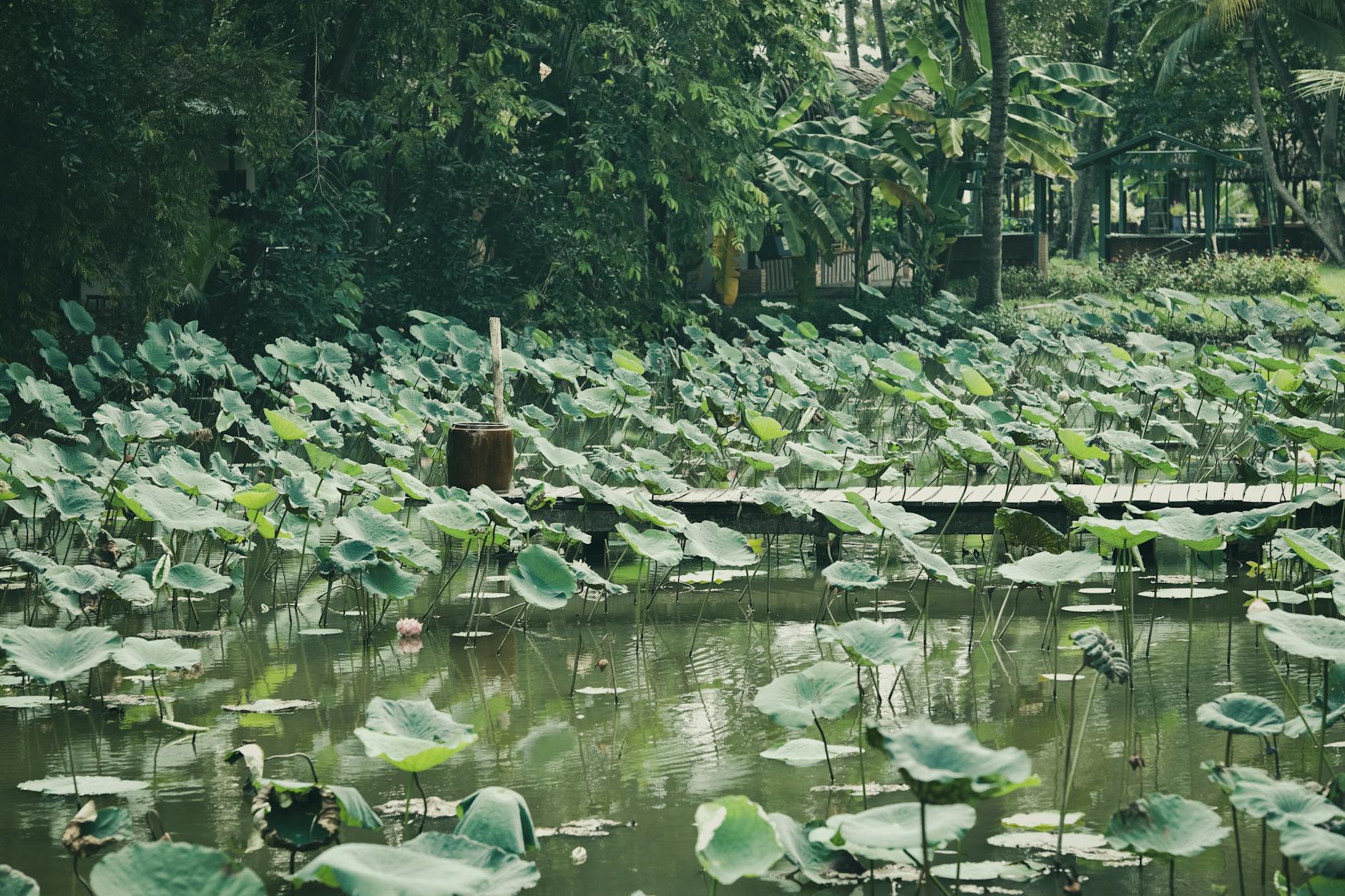
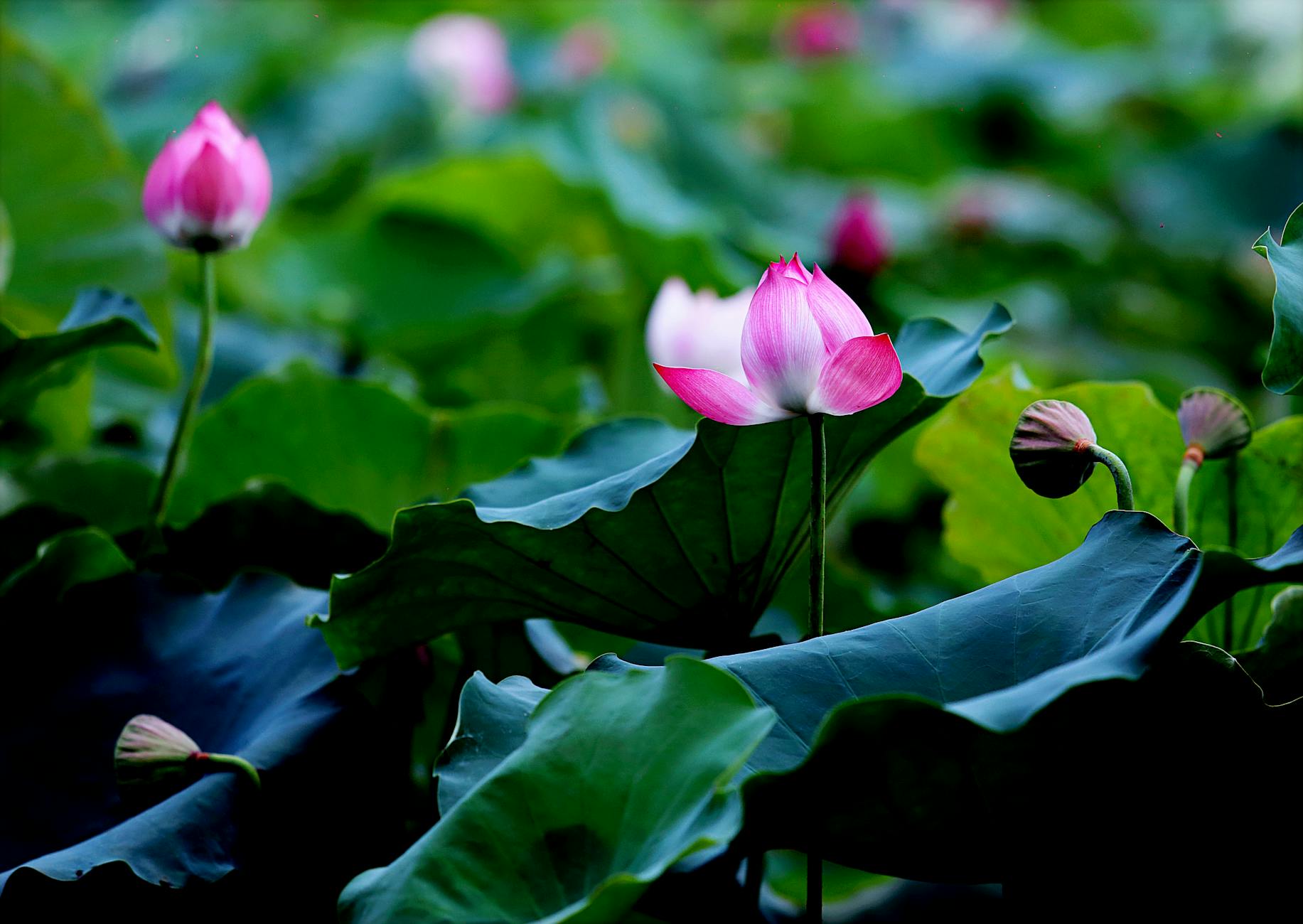
The lotus pond beside the Education Center shimmered in green. Broad lotus leaves stood tall, swaying gently in the breeze. Just a few months ago, they had braved the cold winds with me. Now they bathed in the full bloom of spring. And yet, I was still stumbling through a storm of wind and snow, while the world turned green without me. The air was heavy with fog. I had no map, no compass.
Only wind.
Only questions.
Only shame.
I was a late-starting tortoise, shackled and weighed down, forced to compete with gifted hares. I was already giving everything I had. But who sprints through an entire marathon from the moment the gun goes off?!
Language is never a gift that arrives overnight. I had neither talent nor advantage – only the slow grind of study and repetition to carry me forward. But this urgency I faced could not be outlasted by sleepless nights. It was a trial laid by time and origin, conspiring like wind and stone to test how far I could go from where I began.
I gathered my courage and approached the coordinator at the Education Center, asking for help. After listening to my situation, she looked at me with a trace of sympathy and said gently,
“I’ll help you find a translation agency. They can polish your paper into readable English. Then bring it back to the professor. Once he approves the content, do your best to memorize it.”
“Thank you – thank you so much!” I bowed repeatedly, my voice trembling with gratitude.
A small ember of warmth lit up in my chest. For the first time in days, I could breathe again.
Campus life in the second semester of my first year got even busier. Marching band practice, the tournaments of the debate club, the final terms of every subject, and the freestyle swimming test. Each demanded time and focus. I used every spare moment to memorize the English manuscript returned by the translation agency. But my English was simply too poor. I memorized it painfully slowly, syllable by syllable.
All I could do was give it my all … and leave the rest to fate.
At last, the day of the second meeting arrived. I stepped into the conference room once more, carrying the revised manuscript in my hands.
The professor sat there, his presence cold and commanding, like a glacier that hadn’t melted in a thousand years. His very stillness made my skin prickle.
He flipped through a few pages, then looked up, expressionless.
“Fine. Let’s just go with this. Nothing more to say. You’re on your own now.”
I understood what the professor meant. His words were a final verdict – not an approval, but a closing of the case. The decision had been made. I couldn’t be replaced. There was no one else. So I would have to go.
Once summer ended, I would set out on the journey abroad.



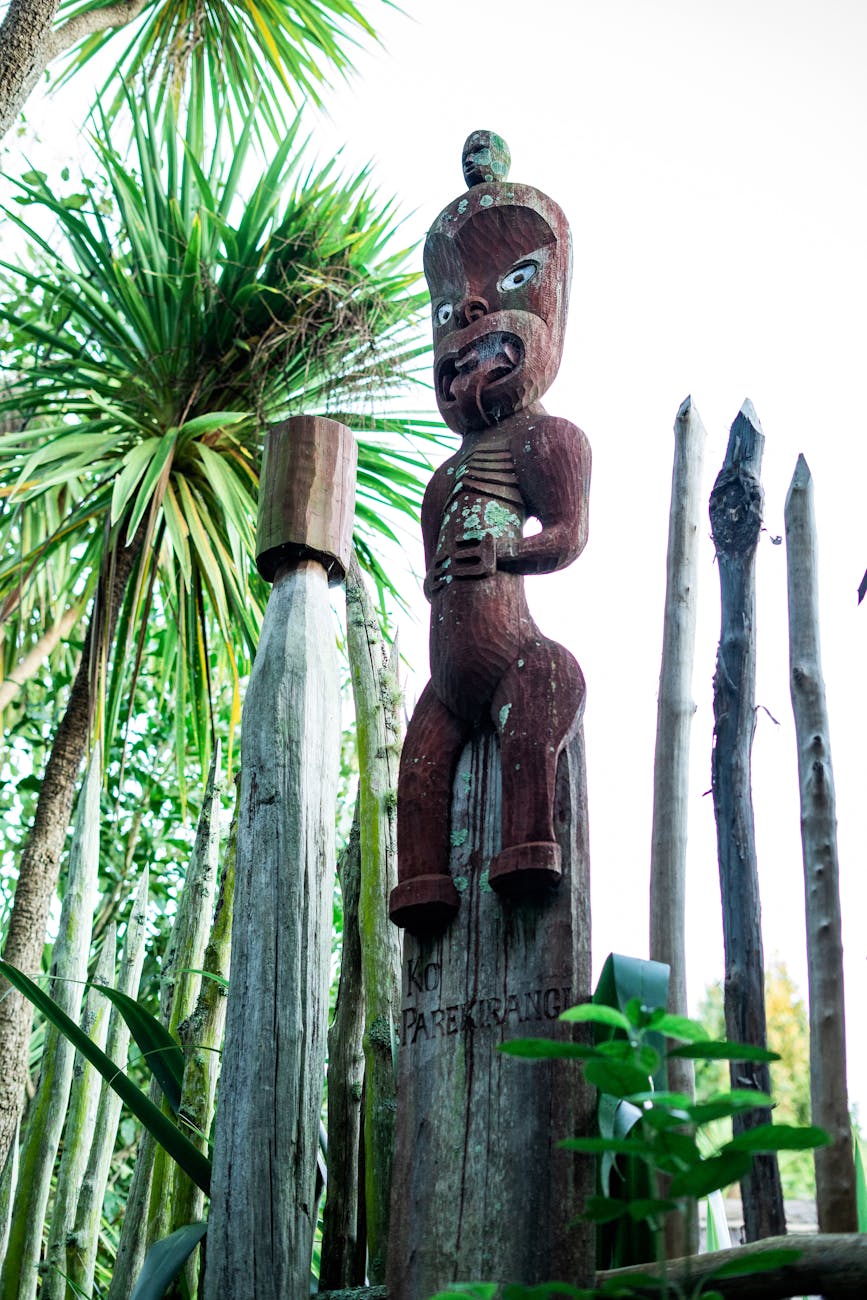
Three weeks into my second year of high school, I boarded a plane to Auckland, New Zealand, for a week-long international science fair.
It was the first time I had ever flown, the first time I had ever left my country – the first time I saw the world beyond the walls of my own.
A year after I first looked up from the bottom of the well, I found myself thousands of miles away, in a foreign land, speaking a foreign language, tasting foreign food. My heart raced with wonder.
Every new sight sparked my curiosity. I wished for more time to take it all in. New Zealand’s breathtaking landscapes, its mountains and water, held me in awe. But after the initial thrill faded, what lingered was not lightness – but weight. The feeling of being voiceless, of failing to make myself understood during the exhibition, played on repeat in my mind.
Each memory etched itself deep into me, quietly fermenting in the shadows of my heart.
If I had understood the importance of English earlier, perhaps I wouldn’t have become “the disgrace of Beiyi.” Perhaps I could have gained more from the science fair.
For more than a decade, my wishes were so small – fragile and trembling, no louder than a hope to be spared the lash, no bolder than a longing for a full belly.
I didn’t know.
I didn’t know that effort and silence weren’t enough.
I didn’t know that the world doesn’t reward those who endure quietly.
I had to learn to speak. To make sound. To speak the language the world understands.
I was a frog from the bottom of a well, cast into a sky full of hawks. Burdened by my own inadequacies and self-doubt, I watched them speak of open skies – while I could only gaze upward in silence, aching to soar.
But the moment I dared to leap, the only thing the world gave me … was a single word: disgrace.
Was I delusional? Had I overestimated myself?
“Disgrace” pierced through me like a needle to the soul, leaving me wondering – Did I ever belong here at all?
But I couldn’t accept it! I refused to be nothing more than a disgrace!

On the flight home, the pain settled into resolve. Staring out the window at the endless blue sky, I made myself a promise – one whispered to the clouds and carried by the wind:
I will come back to see this world again.
I will soar.
From this moment on, I will learn the language of the world - and reclaim my dignity with my own wings!
Soul Whisper : I used to believe that if I worked hard enough, if I endured long enough, I would earn the right to be understood.

But that day, when the wind of shame sliced across my face, I finally saw the truth: This world does not show mercy to those who remain silent.

That green uniform - once my proudest armor - had become a joke in others’ eyes. A mark of disgrace.

On the flight back home, a vow stirred in my chest - Not like this! I will not let shame write the ending to my story.

I must learn to speak. To give voice to my soul.

Not to please anyone, but to keep my dignity from scattering in the wind, to keep my spirit from withering in silence.

So I made a promise to the sky: Disgrace knocked me down once. But I won’t run. I won’t let it define me. I will face it. I will rise above it.

And one day, I will soar again - on wings I’ve built myself.
Chapter 6 A Million-Dollar Bride and the Perfect Mother
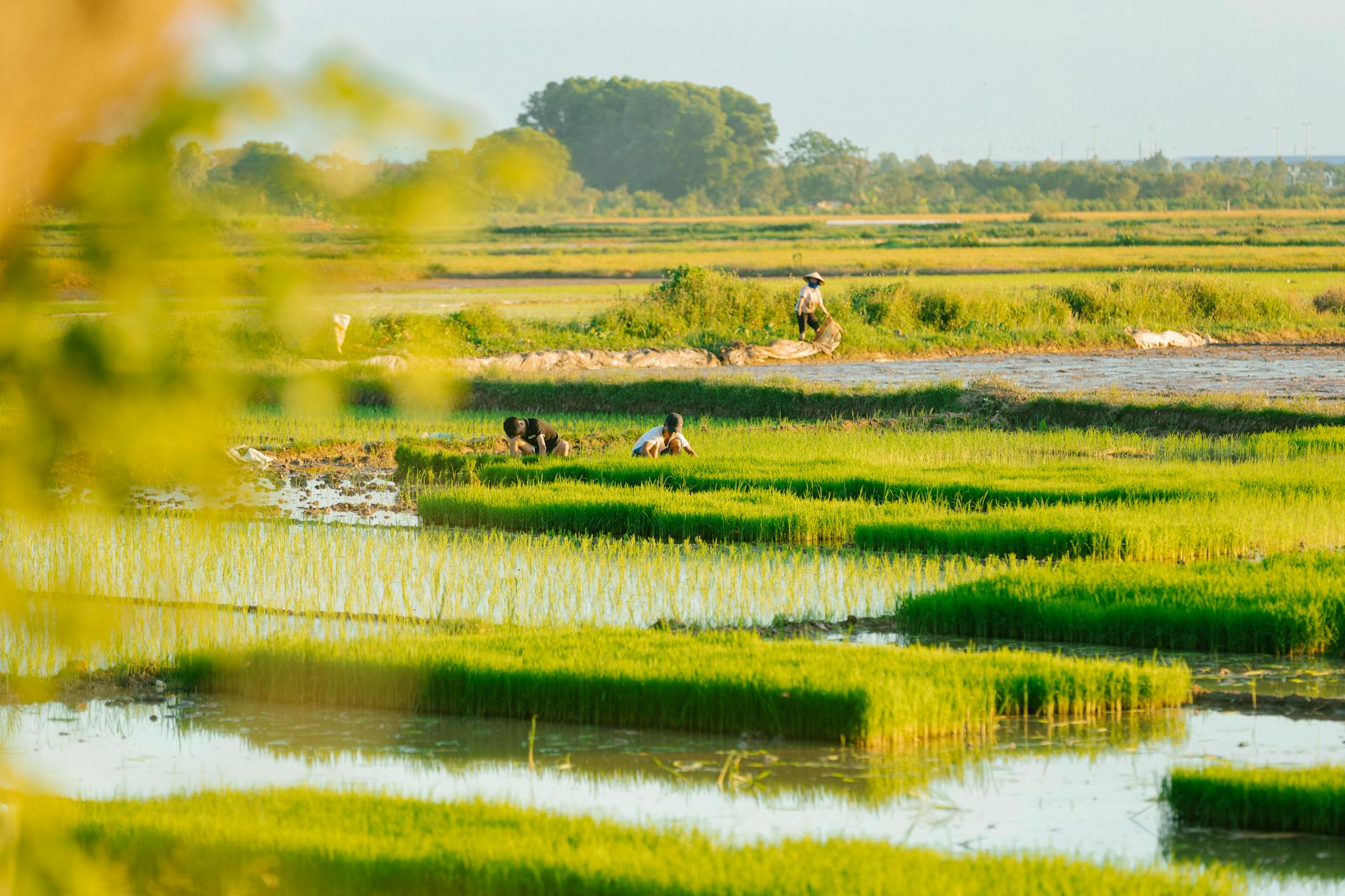
It was September in Taiwan. The rice paddies had already been planted. The air still steamed like a giant rice cooker. I was roasting under the sun on my scooter, having just wrapped up a piano lesson, daydreaming about one thing: the chilled bowl of grass jelly waiting in the fridge.
That scooter? It was the trophy from the first bet of my life – courtesy of my loudmouthed cousin-in-law, who never missed a chance to look down on us.
One year ago when my middle school teacher tried to convince my mother to let me take the High School Entrance Exam in Taipei. She said I could get into Taipei First Girls High School. That set everything in motion.
When my cousin-in-law caught wind of it, he burst out laughing like we were trying to pray our way into heaven the night before Judgment Day. He scoffed, “ If she actually gets in, I’ll buy her a brand-new scooter!”
Spoiler alert: I got the scooter. And a good story to go with it.
And guess what? A bet is a bet. He had no choice but to hand over a shiny new scooter – with a face like he’d just swallowed a whole lemon. Me? I accepted it with a big smile, of course. After all, I’d already earned my golden ticket to “heaven” in the mock exams – why say no to a scooter-shaped bonus?
In our rural little village, there were no buses, no trains – just grandpa’s electric tricycle, which counted as the fastest mode of transportation. For a teenage girl like me, juggling piano and math tutoring gigs, that scooter was basically a pair of wings.
I was fifteen, a bit underage to be legally on the road, but the villagers were all very understanding. Whenever they saw me riding by, they’d just nod approvingly, giving me a big thumbs-up and say, “Wah! No wonder she got into Beiyi. Look at that scooter control. She rides like a pro!”

As soon as I got home, I saw the village chief just about to leave. The moment he spotted me, he turned to my mom, grinning from ear to ear.
“Ah-Hsiang, you lucky woman. Look at your daughter – the first and the only girl from miles around who ever got into Beiyi … and represented Taiwan to compete abroad. She is a golden phoenix ready to soar! Ah-Hsiang, your time to shine has come!”
After the village chief left, Mother lit up like she’d just hit the jackpot. “ They are choosing Model Mothers at the county this year,” she said with a smug grin. “The chief’s nominating me and said, ‘Come on, who could say no to the mother of a Beiyi girl?’ I’m a shoo-in.”
A few days later, the Tang family from the dairy farm showed up looking all secretive, wanting to discuss something important with my mother. The moment they left, I asked her straight away, “What was that all about?”
“They heard you represented Taiwan in an international competition,” Mother said casually, as if she were commenting on the price of eggs. “Now they want to offer me a million bucks to make you their daughter-in-law.”
“They said you’re the same age as their son – obedient, good at studying, clean-looking, and a piano teacher. Where else could they find a daughter-in-law like that. They are absolutely smitten!” she added, as if I should be flattered.
But she said she didn’t say yes right away. After all, it wasn’t every day you raised a child who could bring honor to the family – and her favorite kid, no less. How could she hand me over to the Tang family that easily?
Back then, a million NTD could build you a house, furnish it and still leave you change for a motorcycle. Our neighbor’s brand new two story home cost just six hundred thousand. The Tang family came in swinging with a million – furniture included. For a family that cleaned toilets for a living, that wasn’t just an offer. That was God calling collect.

When I heard they were offering a million to make me their son’s wife, I thought – what’s this, livestock trading? Should I start mooing now or later?
And the next? Tie a rope around my neck and lead me to their barn? I mean, they do have an actual cattle pen – but I’m not a dairy cow, thank you very much. Sure, I know how to work hard, keep my mouth shut, and behave to earn a meal. But still.
Could a million dollars really buy a person’s life?
Even though I couldn’t live on my own, something deep inside me was already screaming: I don’t want to belong to someone’s family! I want to belong to myself!
I had just clawed my way out of a life that stank like an outhouse. Just started to breathe. I hadn’t even gotten a proper look at the world yet – how could I let myself be locked up in another cage?
I knew my mother didn’t say yes to the offer right away – not because she couldn’t bear to part with me but because she realized I was her one shot at making it in life. I was the only asset she had that she could show off. After that, her tune changed completely – suddenly, I was the one she claimed to love the most, not my brother. She started enjoying the sound of people telling her, “You are an amazing mother.” My existence gave her something to be proud of, something that finally let her hold her head high in front of others.
Two months later, Mother received the Model Mother Award from the county magistrate. The neighborhood aunties flocked to our house to congratulate her, praising her endlessly for raising me so well.
“You truly deserve this award. You are the perfect mother.” they said to Mother.
I looked down at my rough hands, the skin raw from years of scrubbing with cleaning chemicals. The collarbone that broke long ago still ached on rainy days. What exactly had she cultivated in me?
Was it extreme deprivation she gave me? A full meal, a night of restful sleep, a bit of time to study, the freedom to play piano – every single right I fought so hard to earn could be taken away at any moment. So I walked on eggshells. So I cherished every minute.
I made it through, driven by sincerity, held up by resolve, and forged by sheer will.
It wasn’t her discipline that shaped me, but the relentless cruelty of fate and the cold indifference of the world. If anyone deserves the title of ‘Model Mother’ – perhaps it’s the universe itself.
The Model Mother trophy sat proudly at the most strategic location in the living room – right by the entrance, gleaming like a shrine to maternal excellence. Above it hung her photo with the county magistrate, flanked by my science fair award and a snapshot of me standing awkwardly beside a banner with flags.
Whenever someone came by, she’d point with a well-practiced smile: ”That’s when she represented Taiwan oversea.”
Cue the predictable applause. Compliments flowed like incense in a temple.
“What a remarkable mother,” they’d gush. “You raised your children so well!”
And she’d graciously accept the credit – as if brilliance were hereditary and hardship, a parenting technique.
I never corrected them. I let the glory be hers.
I knew she wasn’t celebrating my hard work when she mentioned my competition abroad. – she was proving that she had won the game of life.
She never went to school. Born into a family steeped in poverty, she was the only child who survived. All seven older siblings had died. She grew up not with their presence but with the weight of their absence.
She was raised not as a daughter, but as the last hope to carry the family line.
With little income, no education, and no husband, she did what many women in her position would never dare to do: borrowed a man – someone else’s husband – just to have children. In our village, this was a sin worse than poverty. Whispers followed her wherever she went. People called her shameless. They called my brother and me bastards. Grown-ups often pointed to different men on the street and told us, “You look so much like him. Maybe that’s your father. Go call him!” She endured the snickers, the stares, the invisible walls that set her apart.
But now, after decades of swallowing humiliation and raised two children with her bare hands, she finally had her moment. She stood on a stage, holding a trophy that read “Model Mother,” shaking hands with the county magistrate. To her, it wasn’t just a prize – it was vindication. Proof that despite everything, she had won.
No matter how she treated me, no matter what scars she left behind, this moment belonged to her. And I let it. I didn’t correct anyone who praised her for raising me so well.
Because I understood something few ever do: Some people live their entire lives just wanting one thing – to finally lift their heads.
As for me, I was destined to walk a longer road – not to prove I was more successful than anyone else, but to live a different kind of life altogether. My mother earned applause and recognition; I was meant to walk through storms, to carve a path of my own.
The girl who wasn’t bought for a million dollars, who wasn’t trapped behind a trophy – she would keep walking, step by step, toward the light.
Because somewhere beyond the noise and the shame, a voice was calling me home – to a life that was fully, fiercely mine.
Soul Whisper : Not every child learns what love is from the person who “loved them the most.” Sometimes, the one who swears they love you is the very one who teaches you how to endure, how to pretend you’re strong, and how to heal your wounds in silence.

I know my mother’s applause came too late - and far too loud.

But I chose the let her have all the spotlight, not because I’ve forgot the pain, but because I understand that her one lifelong dream was simply to be seen. She had been stuck in the mud for so long, and that trophy - that trophy was her only chance to break free.

In those fleeting, shining moments of others’ praises, she could finally feel her life had meaning.

That kind of glory - I don’t need to fight her for it.

Because I know:
I am not anyone’s possesion,
Not anyone’s prize.

I am simply - myself.
Chapter 7 The Halo of Beiyi Uniform

The signature green uniform of Taipei First Girls’ High School (Beiyi) comes with its built-in spotlight. Whether you are standing under the sun or hiding in the shade, you look like the star of the show. The second you step off campus, it’s automatic red-carpet mode. Even the wind seems to gossip, “OMG, look! That’s Beiyi girl!”
Right after the final-term of our first year, our class decided to have an end-of-the school-year party. And the moment we finished the exam of the very last subject, the whole class went wild. We didn’t just fly out like caged birds, we burst out like tigers on the loose. A whole semester’s worth of brain cells, stress, and suppressed energy came exploding out of our hair follicles like fireworks.
To celebrate, Wei and I, along with two other classmates, heroically volunteered to pick up pizza from Pizza Hut. By then, it was already noon, and the whole class was so hungry their lips were turning pale and their eyes had checked out completely. The only sounds in the classroom were desperate murmurs:
“Where’s the pizza?”
“Is it here yet?”
“If the pizza doesn’t show up in five minutes, I’m eating my desk....”
The four of us, cloaked in the glowing “green armor” of Beiyi, bolted out of the school gate like lightning. We were on a mission – a pizza mission – charging full speed toward Pizza Hut.
On the way, a heated debate broke out between logic and hunger:
“Hawaiian is non-negotiable!”
“No pineapples for pizza! Takoyaki is the real deal!”
As we neared the intersection at the Chongqing South Road, our heroic energy apparently startled the elderly folks waiting for the bus by the roadside. One grandpa – who looked like a retired military veteran – suddenly raised his fist with great solemnity and declared,
“Watching you girls run like that…..gives me hope for our nation!!”
We immediately stumbled mid-stride, nearly tossing all that “hope” straight into the storm drain.
But we still waved politely at the old man, laughing at how absurd the whole thing was. We were just out to pick up some pizza – how did we suddenly become the torchbearers of Taiwan’s future?
One minute we were arguing over whether pineapple belonged on pizza, the next we were apparently symbols of national hope.
But this green uniform didn’t just come with a beauty filter, it also came with a built-in moral radar.
The moment you put it on, it was like slipping into the Monkey King’s cursed headband – the one that tightens every time you misbehave. Suddenly, everyone on the street transformed into a moral monk, watching your every move like guardians of public decency. One wrong step, and boom – the blazing Eyes of Justice were upon you, burning with righteous concern.
The lecture we heard most often from our military instructors was:
“This uniform represents Taipei First Girls – not YOU as an individual. So always watch your image!”
And during our morning flag-raising ceremonies, the line we dreaded the most was:
“Do you girls have any idea how many complaint letters we’ve received this week?”
Yep. There was always some overly enthusiastic citizen bursting with a sense of justice, calling or writing to the school to report us for “behavior unbecoming of Beiyi girls.”
Offenses included:
– not giving up our seat on the bus,
– not picking up trash on the sidewalk,
– standing with one foot slightly over the crosswalk line while waiting for the light,
– or, God forbid, having a skirt hem too short.
Each one, obviously, a scandal big enough to ruin the school’s glorious reputation.
The most iconic complaint of all time?
A concerned lady once wrote a letter to the school that said: “At 7:40 this morning on Gongyuan Road, I saw a Beiyi student walking while eating breakfast. This is highly improper behavior for a young lady.”
I swear, my eyeballs rolled so far back, they practically saw my brain. She was probably running late and just trying not to pass out from hunger. What was she supposed to do, faint gracefully on the sidewalk?
Would that lady rush over to help her up, or call the school to report: “Beiyi student collapsed in public. Lying posture lacked elegance. Tarnished school image.”
This uniform was basically a hybrid of moral surveillance system and an auto-tracking device. Wearing it turned you into a walking target. You had to mind even the direction of your sneeze, or risk damaging the nation’s moral fabric. Taking it off after school felt like lifting a magical curse.
Finally, I could breathe.
Finally, I could be .... invisible.
But this uniform was also the very first “designer piece” I ever owned. Not Chanel or Dior, of course. But one embroidered with the word “Elite” and stitched together in the style of “hope for the future.” It was through this uniform that I truly understood the meaning of that old saying: Heaven helps those who help themselves.
Before I ever managed to climb out of the well called rock-bottom, I didn’t even realize what I was living in. Back then, even calling us “pitiful” felt like too much of a compliment. We were far too well-off for that word to apply.
Our neighbors didn’t exactly throw stones into our well, but they made sure to keep their distance. A classic case of “your family’s business isn’t mine” kind of cold courtesy. Occasional charity would appear in the form of shriveled plums from someone’s fridge purge, sour buns long past edible, or the white rinds of a watermelon – still carrying the faint, bitter trace of cigarette smoke.
But the moment I put on that green uniform, “help” started to knock on our door – one visit after another.
First came a brand-new bicycle, offered with the noble reasoning: “This way, you can get to the train station faster in the morning.” Then came fruit baskets, boxes of pineapple cakes, and an endless stream of snacks – along with neighbors dropping by almost every day.
One auntie I had never even met sent a message through a junior high classmate, saying she wanted to take me in as her goddaughter – not in the church sense, but more like a symbolic daughter. And then came the grand finale: the sky-high proposal gift – a million-dollar bride price. This green uniform wasn’t just a symbol of honor – it was a freakin’ treasure magnet!
Back then, I rode my bike in worn-out rain boots for my janitorial work in Suzuki factory every day. If the neighbors saw me, all they’d say was, “There goes the toilet-cleaning girl again!” Now, I ride out in my school uniform – and suddenly, neighbors on the street drop whatever they’re doing just to shout,”You make us proud!”
The wind in our village shifted faster than a typhoon. That’s when I finally understood what “Heaven helps those who help themselves” really means: You have to claw your way out of the well first, make yourself look like a bar of gold. Then the “help” will come flooding in, ready to polish your label, and maybe appraise your market value while they are at it.
Outside of school, the uniform was a symbol of academic excellence, a social filter built right into the fabric. Even a pancake vendor by the roadside would flash me a thumbs-up when I walked by.
Inside school, it was like a perfectly laid tablecloth, covering up all the uneven legs underneath. Whether your family drove a Mercedes-Benz or scrubbed public toilets, every student wore the same uniform, the same white socks, the same black shoes – a carefully crafted illusion of equality. It blurred the divide between privilege and poverty. It shielded me from the shame of where I came from.
Since the beginning of the second year of high school, I grew closer to Grace, who sat in front of me. She was a bright, big-hearted girl with a booming laugh, a killer volleyball serve, and an irresistibly charming accent when she spoke English.
She told me her English tutor was an ABC, so she had picked up a perfectly authentic American accent. She never hesitated to share new vocabulary she’d learned from her tutor with me, always generous with her knowledge.
Back in my first year, I didn’t know how to breathe while swimming, so I held my breath and swam all 25 meters straight through – nearly drowned myself in the process. Now, with the new semester starting, swimming test was coming up again in P.E. class, and I was spiraling right back into panic mode.
Grace said she could teach me. She suggested I come stay over at her home for the weekend, and her mother could take us to the pool to practice. To me, that wasn’t just kindness – that was divine intervention wearing a Nike jacket. We made a sacred pact right then and there: Friday after school, I’d follow her home like a grateful stray dog.
So Friday came, Grace and I strutted out of Beiyi front gate – me, secretly thinking I was walking toward my salvation….in a borrowed flip-flops.
Parked just outside the school gate was a sleek black BMW, its surface gleaming with that kind of luxury that didn’t need to shout. In the driver’s seat sat a lady in a tailored suit, makeup flawless, movement graceful – the kind of elegance that seemed effortless. As soon as she saw us, she rolled down the window and smiled warmly.
“There you are! Hop in – it’s way too hot out there.”
This was Grace’s mother. Her tone was warm and casual – not the least bit forced or formal. Before I could even process what was happening, Grace had already flung open the door and hopped into the front seat.
As she buckled her seatbelt, she leaned toward her mom and whined playfully, “ Mooom…. I’m starving! Can we have steak for dinner? Eighteen’s never had it. I want her to try my favorite one!”
Her mother glanced over at her, smiling as she drive.
“You, always thinking about food the moment school’s out! We’ll go home first – have some fruit to tide you over.”
Their exchange was light and easy, full of affection – more like best friends than mother and daughter.
And me? I sat quietly in the backseat, like a silent observer.
It was my first time riding in a car that nice. The seat felt smooth and soft beneath me, the air carried a faint scent of leather, and the A/C was cool – just the right kind of cool. Even the sound of the door closing had a deep, solid weight to it, a kind of safety I had never known. This level of refinement – this quiet luxury – belonged to a world I’d never been part of.
Grace’s house was nestled on a hillside in Xizhi – a three-story villa surrounded by green. The living room had hardwood floors that felt solid and springy underfoot. Central air conditioning kept the space at a perfectly cool, steady temperature, like I had stepped into an entirely different climate zone.
The sofas – white and modern – were arranged like pieces in an art installation. I sat down cautiously, feeling like a misplaced stone that had wandered into a pool of silence and softness, unsure how to position itself without disturbing the stillness.


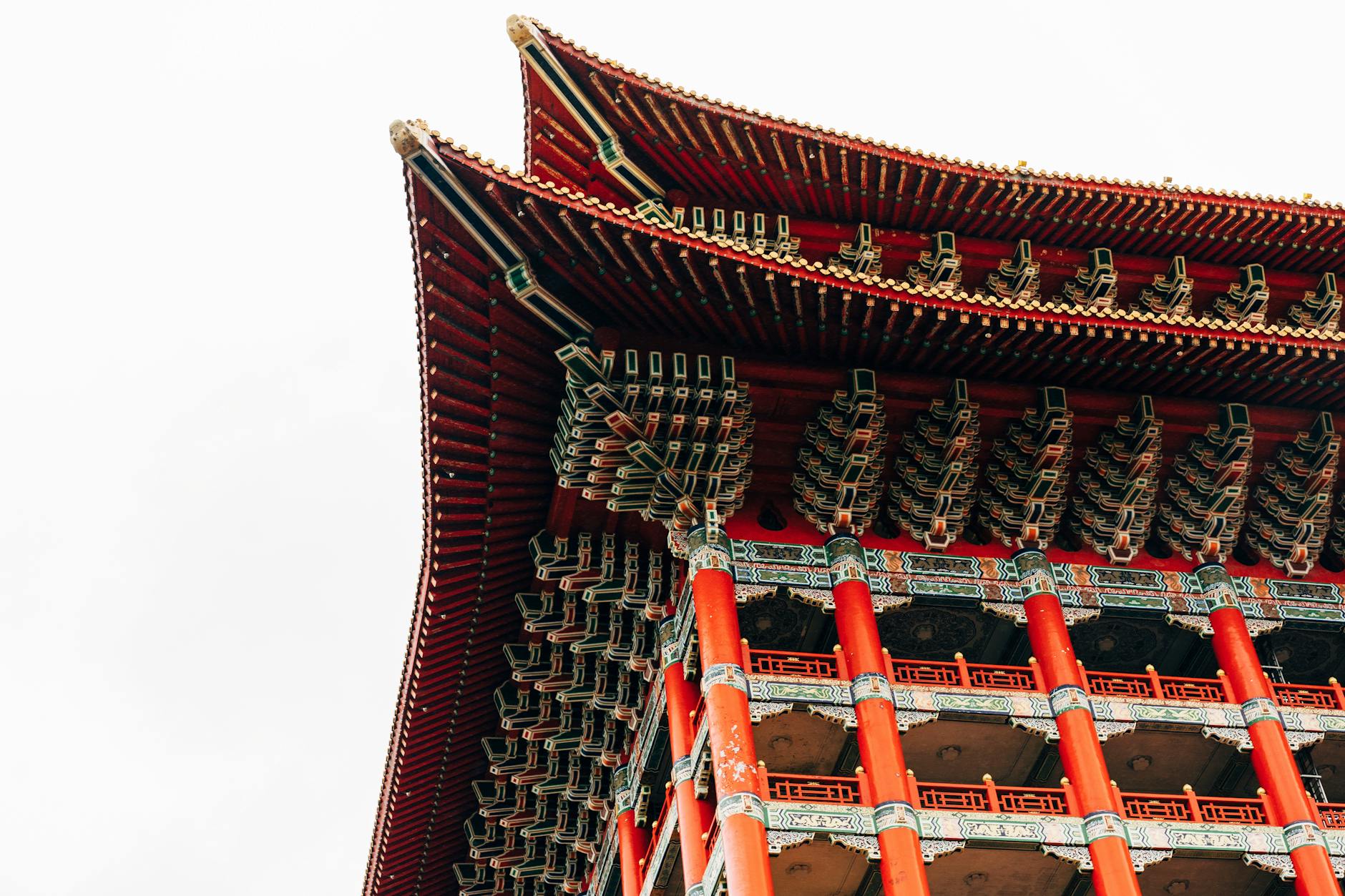
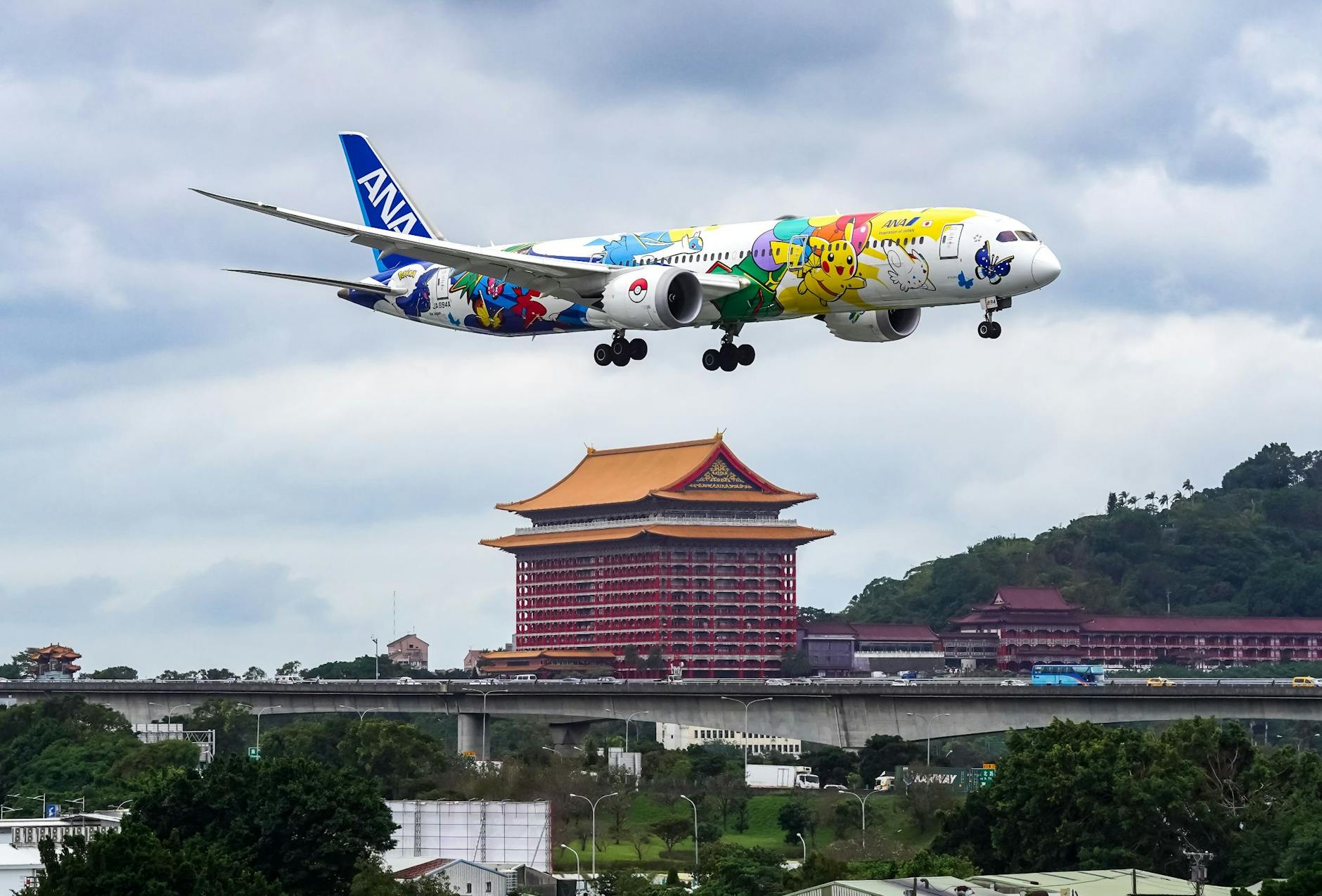
On Saturday morning, Grace’s mother – wearing a soft beige suit and just a touch of makeup – drove us to have breakfast at the Grand Hotel.
It was the first time in my life I had ever stepped into that palace-like building. The soaring ceilings, the gilded lobby, the way the light hit every surface – even the air seemed infused with a scent I had never smelled before.
We were seated by the window. I stared down at the perfectly golden sunny-side-up eggs and the glossy gleaming sausages on my plate, but my mind had gone completely blank.
Even though I’d already had a practice round with steak the night before, I still couldn’t quite figure out the proper way to hold the knife and fork. Everything felt backwards, slippery, or like I was performing surgery. I had no idea when I was supposed to nod, smile at the waiter, or say “thank you” without sounding like I was trying too hard.
Terrified of doing something weird, I ended up syncing every move to Grace’s – from cutting food to lifting my glass of orange juice. Basically, I was playing the world’s quietest game of “follow the leader,” hoping no one would notice the tourist at the table.
After breakfast, we headed to the outdoor pool at the Grand Hotel’s private club. It was a full-sized, fifty meter pool – blue like the sea, still like the sky’s own reflection. We had the entire place to ourselves. Sunlight poured in from the far end, its shimmering ripples dancing across Grace’s mother’s sunglasses, making her look like someone who had just stepped out of a movie scene. For a moment, I forgot I was here to learn how to swim. I had never seen a pool, so long, so beautiful.
“Don’t worry, I’ll be right in front of you. Just relax and push off the wall slowly,” Grace said it so effortlessly – like someone who had always belonged in this water.
I took a deep breath, but the panic from last year’s near-drowning flashed through my mind. There was no sharp smell of chlorine like in the school pool. The water here was clean. Blue. Beautiful. But it left me nowhere to hide.
“Legs straight! Inhale….exhale….that’s it! Tilt your head this way so you can breathe.”
Grace swam beside me, guiding and cheering at the same time.
I moved slowing through the water – learning to breathe, to relax, to keep myself from sinking. Each stroke was part effort, part fear. And somewhere beneath the surface, a quiet question kept rising: do I really belong here?
In that green uniform, I could trade test scores for Hope and Pride. But here, I was just a girl who couldn’t swim, whose hands trembled holding a knife and fork, who had to rehearse every English sentence ten times in her head before speaking. This world was too wide, too bright, too graceful – and I knew nothing at all.
“You can’t be afraid of the water. You have to relax your whole body. You have to trust that it will hold you up,” Grace said.
I froze for a second. She was talking about water – but what I heard felt more like a whisper from the soul.
The truth was, no one had ever taught me how to trust. All my life, I had survived by bracing, by fighting, doing everything I could not to be crushed at the bottom of the well. But in that moment, something shifted.
I realized – some things can’t be forced.
Some things.... I had to learn to let go of.
To relax.
To trust.
On the way back, the BMW glided smoothly through the mountain roads. Outside the window, the scenery slowly changed – from villas and manicured gardens back to the streets I knew, the worn-down corners of old neighborhoods.
Grace sat in the front seat, humming a tune, chatting with her mom about what to make for dinner. I leaned against the window, watching as the clouds at the edge of the sky began to blush with sunset.
That weekend didn’t rewrite the world – but it rewrote something in me. I went back to my routine, slipped on the same green uniform, and kept moving forward, poverty trailing at my heels. But the girl who came back was no longer the one who had left.
That day, the pool was a deep, endless blue. And there I was – in the water – finally learning how to breathe. I came to realized that trust… can be practiced. That letting go is not the same as giving up – but a deeper way of being alive.
Soul Whisper : This green uniform turned me from a street rat into the Pride of my neighborhood, the supposed Hope of the nation’s future. It hid my poverty, concealed the wounds and humiliations I had carried since childhood.

Wearing this uniform, I could walk into the Grand Hotel and dine beside the daughters of privilege. When I spoke, people listened, When I smiled, they praised me for being “graceful.”  But I knew those compliments weren’t really for me – they were for the uniform.

Its halo allowed the world to treat me kindly, if only for a while.

But once I took it off, who was I?
Was I someone who only glowed in the borrowed light of that uniform?
Could I, one day become a soul who shines from within – bright enough to warm myself and light the way for others?

What I truly long for is that quiet light from deep within – a light not built on labels, achievements, or praise, but calm, steady, and unstealable.

I don’t know when the light will begin to shine from me. But I know I’m searching for it. And when I finally find it, I will guard it with trust, kindness, and the work of my own two hands.
Chapter 8 A Rain After a Long Drought
Staring at this glorious, heavy bento in front of me – packed with meat, rice, and not one, not two, but three side dishes – I was hit by a smell so good it nearly brought tears to my eyes. The moment the lid was lifted, the aroma came rushing out like a long-lost friend. My stomach, empty since sunrise, roared in delight.
After three years of eating my own homemade lunches – so sad even a stray dog might’ve turned one down – this full, colorful bento looked like a Michelin-starred miracle. I swear, I was practically drooling.
I gave my thigh a discreet pinch, just to make sure this wasn’t some delicious dream.
After moving into the dentist’s apartment in Taipei a few months ago, I spent every night sleeping on the floor, using the low cabinets along the wall as my makeshift desk. Life felt like something out of a soap opera – I was basically the tragic maid-in-training, minus the dramatic soundtrack.
I never told my classmates about any of it.
At Beiyi, I went out of my way to hide every trace of my childhood hardship. And the school uniform was the perfect camouflage.
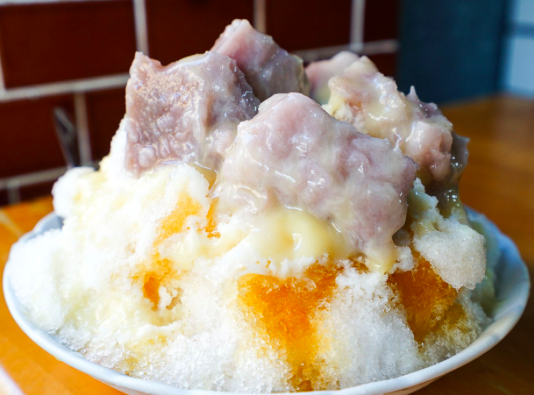
After marching band practices, my classmates would head to the local dessert store. A single bowl of shaved ice cost 40NT – my budget for two meals. But I still went along, wanting to belong.
The candied taro was melt-in-your-mouth delicious – sweet but not cloying, with a lingering floral note I could’ve written poetry about. I savored every bite. But that bone-chilling shaved ice stabbed at my empty stomach like tiny knives, making it cramp in protest.
Every time I played the part of a carefree, well-fed teenager, my dinner that night would end up being nothing but a plain streamed bun.
During summer break, one school friend told me about a room for rent on Nanhai Road – just a 20-minute walk from school, with a real bed and a desk. The catch? Rent was double what I was paying at the time.
The old tug-of-war between “face” and “food” still echoed in my bones. When I was a kid, hunger always won. I’d rather swallow my pride than starve, and I ended up begging leftovers all the way from elementary through middle school. This time, it wasn’t pride I had to choose between – it was “housing” and “hunger.” I chose the roof.
And so, after moving out of the dentist’s apartment, hunger quietly resumed its role as my daily roommate.
In Chinese literature class, we began reading The Analects. Confucius’ favorite student, Yan Hui, lived on just a bowl of rice and a ladle of water in a run-down alley, yet never lost his joy.
But I often wondered – sure, Yan Hui was poor, but he didn’t have to scrub toilets or beg for leftovers just to survive. Even in poverty, he was still a man of learning, upright and composed. Dignity is easier to uphold when your back wasn’t breaking.
For more than three generations, my family had lived in illiteracy, doing the kinds of jobs the polite society politely ignores. I had scrubbed more toilets that I cared to count just to earn my place here. But these gritty truths – I couldn’t bring myself to tell my classmates. Not when all they saw was the halo of my green uniform.
“Eighteen, I have an extra bento today. Have you eaten yet? Want this one?”
Chi was one of those girls who always seemed to carry sunlight in her smile. Last semester, when Fan – another out-of-town classmate – fainted from malnutrition, Chi began bringing Fan homemade bento every day. Fan was absent today, so Chi offered the bento to me instead.
“Yes!” I almost blurted it out.
I reeled back the eagerness in my voice and tried again.
“Sure…. thanks,” I said, softer this time – hoping my tone could hide just how badly I wanted it. Needed it.
Even though I kept telling myself not to scarf it down like a starving wolf, the moment the first bite landed in my stomach…. it was over. I polished the whole bento in minutes, head down, possessed.
Honestly, I think I scared the rice.
Chi smiled and said, “If you love my mom’s cooking that much, I can bring you a bento every day. She makes lunch for us anyway – one more won’t hurt.”
“But you’re already bringing one for Fan and one for yourself – wouldn’t another one be too much to carry?”
“Nah, it’s no big deal. What’s one more?”
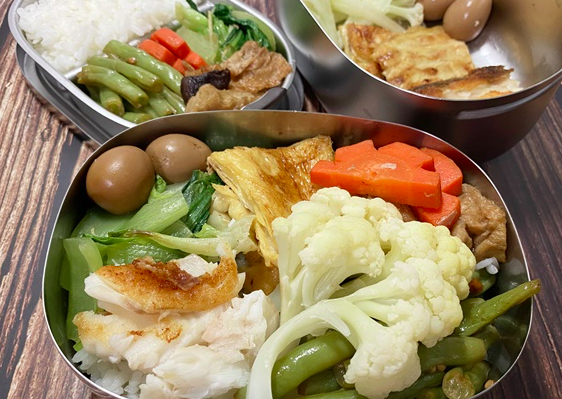
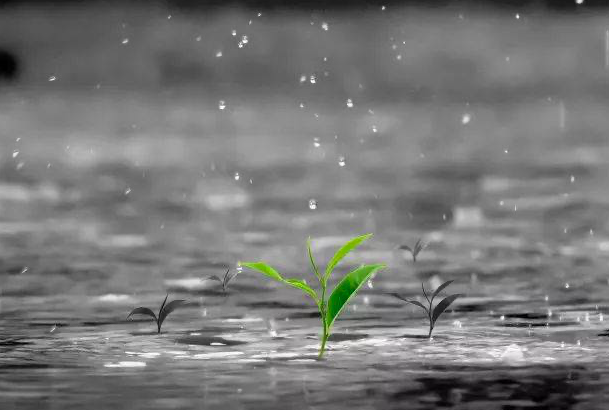
Right then, my mind could only hold one thought: A rain after a long drought.
As luck would have it, “A Rain After A Long Drought” had actually been our essay prompt for the High School Entrance Exam one year ago. Back then, I wrote the most cliché piece imaginable – something about long droughts and heavenly mercy – without feeling a single drop of it. I had no idea why it was considered one of the life’s greatest joys.
But now? Now I knew. I understood it completely – in my stomach, in my chest, in every cell that had forgotten what kindness tasted like.
Because a true blessing isn’t something you pray for and receive. It’s what falls quietly into your lap after you’ve stopped hoping – just when the drought has dried up every last part of you.
You can’t truly taste the worth of a single grain of rice unless you’ve walked through hunger. And today, every grain in this bento tasted like grace. Every bite of food, a quiet act of salvation.
This unexpected “rain” kept falling – for nearly 600 days – through the driest stretch of my life, all the way until I graduated from high school. I grew up in a household where love was rationed, where boys were served first and girls were taught to endure. I worked hard to be useful, to be worthy. But not once did anyone in the family care to pack me a lunch.
Somewhere along the way, I came to understand a bitter truth: Blood may bind us, but it does not teach us how to love.
I had trained myself to expect nothing from anyone. With no expectations, I could at least stay strong – unshaken, self-reliant. But over time, behind the armor of strength, my heart had quietly withered.
Day after day, Chi and her mother tended to me like gardeners to a forgotten tree – their gentle kindness came without questions, without fanfare. And through them, I learned this: Some forms of love arrive before you even know you need it.
They were the cloud that drifted into the barren desert of my heart, bringing a rain I’d long stopped hoping for. That gentle downpour gave me the strength to rise, and the courage to walk toward the light beyond the storm. Someday, I hope to be that kind of rain in someone else’s life.
Soul Whisper : There are certain people who step into your life quietly, like a soft knock at the door you didn’t know was still standing.

She didn’t ask why I was hungry.
She didn’t ask why I never spoke much.
She simply handed me a box of food, and in doing so, handed me something far rarer – the feeling of being seen, without having to explain myself.

Back then, I was used to surviving, not receiving. I knew very well how to give, how to endure, and how to disappear when needed. But I didn’t know how to stay in the warmth of someone’s care without bracing for the cold.

And in return, I gave what I could: my knowledge, my effort, my loyalty – but most importantly, my trust.

She was the first one to show me that love isn’t always owned by blood. It can come from a classmate, in the form of a bento, in the way someone says your name like it matters.

Like you matter.

Our friendship was not loud or dramatic, but it held. It grew into a kind of love that asked for nothing, and yet healed everything I never dared name.

Even now, long after those green-uniformed days, I carry her kindness in my bones – a quiet blueprint of what it means to hold someone without trying to fix them, to feed them, and trust that their soul will one day bloom.
Chapter 9 The Halfway Teacher
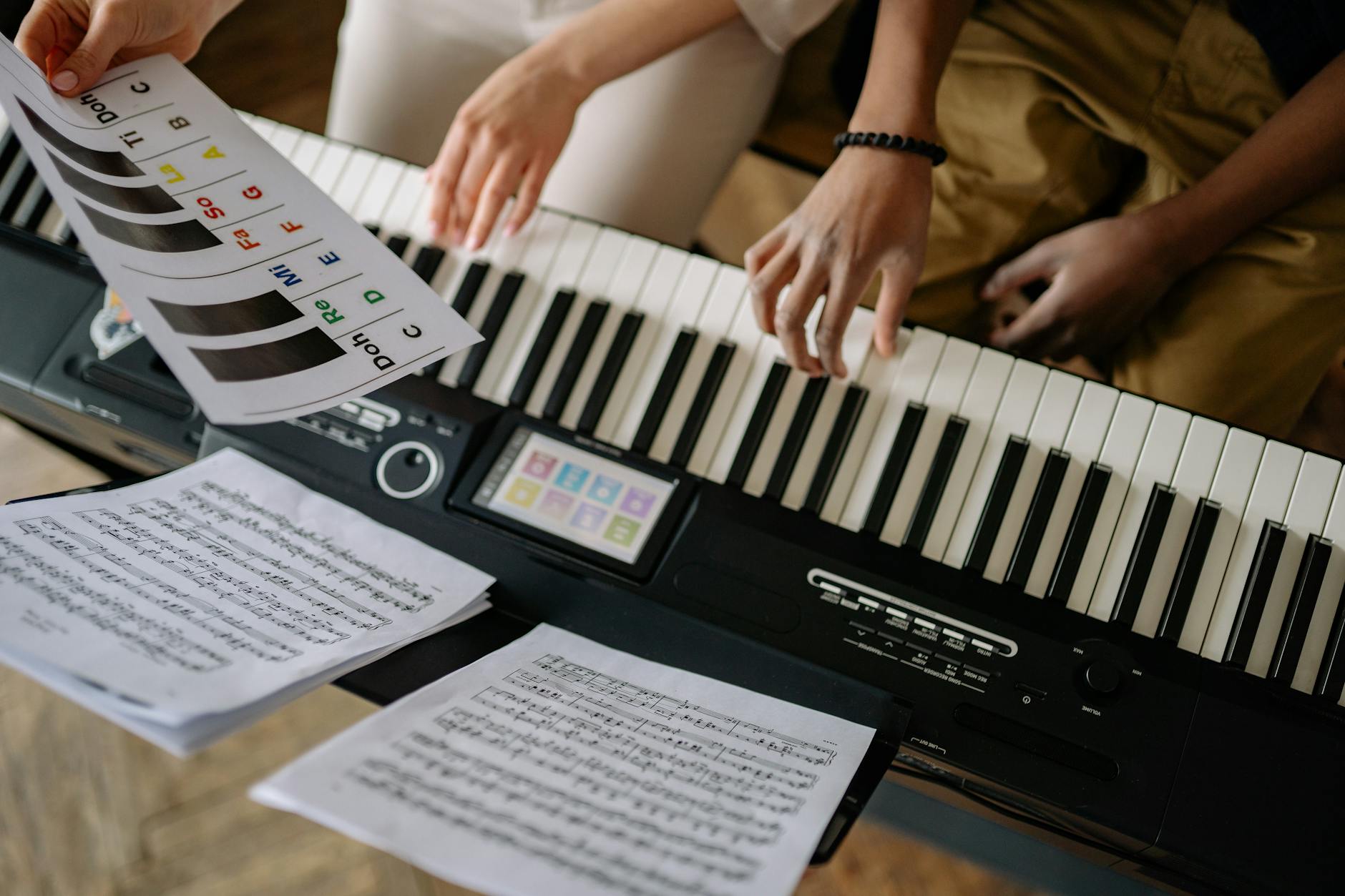
I once came across a line that said: “We don’t persist because we see hope – we persist, and that’s how hope eventually appears.”
I don’t remember where I read it. But this line struck something deep in me – like someone had finally given words to the way I had survived the first eighteen years of my life.
The grueling sprint toward the University Entrance Exam had finally ended. The moment the results came in, I knew I could get into any top university I wanted without a problem. But before anything else, I needed to talk to my mother about going to university.
A few days before the official announcement, I made my way down to the sweltering basement. My grandmother and mother were seated on low stools, wearing thick cotton gloves, assembling bicycle springs by hand. Ever since my mother lost her job at the garment factory – her aging eyes no longer sharp enough for needlework – she had relied on piecework labor to get by.
I walked over to the shelf by the wall, grabbed a pair of gloves, pulled up a low stool, and sat down in front of the pile of springs. Then I started working alongside them.
“Mom, after the summer, I want to go to university. I might have to move out.”
She didn’t look up.
“Is that so? University costs a fortune. Tuition alone is tens of thousands – it’s nothing like high school, you understand?”
The old fan groaned in front of us, pushing stale air in lazy circles, powerless against the weight of summer. Inside my coarse cotton gloves, my hands had already begun to sweat.
“You’ll need food, a place to live. And Chi won’t be bringing you lunch anymore. Do you realize how much that’s going to cost?”
I nodded quietly, but her cold tone froze the air around us. My heart, too, faltered in that chill. The smell of spring grease mixed with the thick, sticky heat – it was almost suffocating.
After a long silence, Mother finally spoke.
“If you can bring home 10,000NT every month, then go ahead and study.”
I froze.
Ten thousand? Every month?
Adding tuition, rent, and daily expenses on top of that? I’d need to make at least twenty thousand a month. I had just graduated from high school. Where was I supposed to earn that kind of money?
She didn’t ask what I dreamed of.
She didn’t ask if I wanted to go.
She only asked me to pay.
I had fought tooth and nail to make it to university, thinking I could finally open my arms and embrace life. But today, this bucket of ice water dumped over my head made me shiver – right in the sweltering heat of July.
I thought of my brother.
Over the years, he had gone to a private vocational school with steep tuition, and last year, he got into a private college in Taipei. No one asked him to earn money. The family covered all his tuition and living expenses without question. They always said: “if a boy is willing to study, you’d go broke for him – and it would still be worth it.”
And me?
I got into a public university – with no support from home – and now I had to earn money and send some back?
I knew how little Mother made from assembling bicycle springs and Christmas lights at home. Paying for my brother’s private college was already stretching the family thin. Now I was expected to pitch in too – because of his tuition.
It felt like whenever my brother abandoned his place in the family, I was the one who had to step in and fill the gap.
I remembered the early mornings of my childhood. When it came time for janitorial morning shift at dawn, Brother always stayed in bed, pretending to sleep through it. In the end, it was just me and Mother who headed out to work. He was often off somewhere – playing baseball, video games, skipping chores like they didn’t exist. And whenever he left something undone, it always fell to me to finish.
I would often stare at the gashes on my arms and legs – raw, bleeding wounds torn open by electric cords. Brother was the one who stole money, who skipped school, who lied. But it was me Mother lashed out at, blaming me for not saying something, not keeping him in line, each strike driven by the rage she couldn’t aim at him, cutting again and again into my skin.
I’d retreat to the corner of the room, silently taking the beating, tears streaming down as I thought – in this house, I was just a dog, quiet, obedient, never barking. Who listens when a dog tries to talk?!
Even the quietest, most well-behaved dog isn’t a “good sister” if she can’t control her brother….
All these years, I’d grown used to being the one who had to step in. Whatever Brother didn’t want to do, or couldn’t do, automatically fell to me. I became his stand-in, his shadow on stage. And the weight Mother couldn’t carry somehow molded itself into my spine, holding up a house that was never really mine.
Now, sitting in this oppressive basement, I finally understood: the imbalance I was forced to live with since childhood hadn’t disappeared just because I’d grown up. It had simply grown with me.
I looked around the room. Half of it was filled with bicycle and car parts, old cardboard boxes and plastic bottles stacked high in the corners like forgotten towers.
My eighty-something-year-old grandmother sat hunched over on a low stool, her small frame curled in like a question mark. She spent her days wrestling with bicycle springs and sorting recyclables – one bottle at a time, one coin at a time, scraping together what little she could.
What choices did I have?! What right did I have to enjoy life?!
I was the fastest earner in the family. I was eighteen – how could I still think only about myself?! How dare I even dream of chasing something as selfish as a dream?
“Alright. I’ll earn it.”
I took a deep breath, swallowing my fear and bruised pride, forcing myself to say it in the steadiest voice I could manage – a promise even I wasn’t sure I could keep.
With no way out, the only choice was forward.
Since the goal was set, it was time to draft my battle plan. I chose the Department of Electrophysics at NCTU – a department I had experienced during a summer camp program. It was small and tight-knit, with a strong sense of community. They had dorms for students, focused on semiconductor theory and applications, offered a clear career path, and came with a manageable cost of living for me.
Next, I took stock of my assets: a high school diploma and an intermediate level of piano – both barely enough to count, really. But in a rural town where qualified teachers wouldn’t bother to come, even my “halfway” skills became an unexpected advantage.
I began expanding my tutoring business – teaching classical piano to children, pop songs by chords to adults, and math and physics for middle and high school students. With my Beiyi credentials on the table, my weekends quickly filled up. Before long, I became something of a “tutoring queen” in the Pingzhen area. The income from my weekend gigs was enough to cover my monthly baseline.
No one is born strong.
During World War II, Churchill led Britain in the fight against Nazis, even as casualties mounted and the outlook grew grim. But he could not afford to give up – he knew that surrender would mean letting darkness engulf all of Europe. With no way back, he called on his people to stand their ground, to face death if they must, and to endure until the very end.
My mother was the only child who survived. Her siblings died one by one – claimed by poverty, illness, and the times. She was left to shoulder everything: to care for the parents, to carry the family name forward. She never learned to read or write. She never pondered the meaning of life. But she knew this: No matter how bitter life became, she had to endure it. No matter how tired her body was, she couldn’t allow it to collapse.
As for me, I had grown up with no real choices – only endurance. By the time I finished middle school, I had spent years juggling morning and evening jobs while attending school during the day. That taught me time management and how to break chaos into tasks.
After I fractured my collarbone, I forced myself to write with my left hand – awakening my right brain and, oddly, sharpening the way I learned. Even when my fingers bled, even when the pain from the broken bone screamed through my body, I kept practicing piano. Day after day. Year after year.
Every impossible moment became a training ground. Every dead end turned into a forge for resilience. That’s how I became a “halfway teacher” – not perfect, but capable. Capable enough not to let “Ten Thousand NT” be the price of giving up my path to knowledge.
If I had been allowed to study freely, like most others, I might never have learned to treasure each minute in the classroom. Had I not endured the long, grinding years of rising before dawn and working past dusk, I would never have tasted the joy of becoming a “halfway teacher.”
Reality showed me its harshest face and drove me into corners where no path was visible – and yet, I am grateful. For in that very act of holding on, I found something more than survival – I found the fragile hope that dreams could still be built.
When it came time to fill out the college preference card, I listed only one department: Electrophysics of National Chiao Tung University. I didn’t put in any backup options. My scores was far above the admission cutoff. It wasn’t a gamble. It was a decision. By September, I had officially set foot on its campus – just as I’d hoped.
After moving to Hsinchu and settling into the rhythm of college life, this so-called “halfway teacher” knew the rules had changed. No longer the only tutor offering lessons in a rural town, I was now in the heart of Taiwan’s academic stronghold – a city pulsing with top students from both Chiao Tung and Tsing Hua University, all eager to teach, all competing for the same tutoring jobs.
Here, tutoring wasn’t just work– it was war. And all I had was grit. No connections, no prestige – only persistence as my sword, and a hunger to prove that I still belonged. That even without polish, I could still shine.
Soul Whisper :
From a very young age, I was placed in a seat no one else wanted.

That seat was meant for my brother. But when he refused to get up for work, I had to take his place. When he played instead of taking responsibility, I was the one who cleaned up after him. Even when he made mistakes, I was the one punished.

So I learned to stay quiet. To bend low. To pick up the burdens others dropped and convince myself they were mine to carry.

Over time, I became the dependable one.

Whatever my brother didn’t want to do, whatever my mother couldn’t handle, whatever the family couldn’t hold up – somehow, it all landed on me.

No one asked if I was willing. They just reminded me over and over again to grit my teeth and endure.

I though if I held on long enough, life would eventually reward me with a way out. But I was wrong. Every effort I made didn’t free me from that seat. It only convinced everyone taking over was my fate.

Those years of substitution left me scarred.

But it also forged a strange kind of strength – resilient, perceptive, deeply rooted. They shaped me into this so-called “halfway teacher”: not perfect, not polished, but someone who had learned how to stand up without help, and even lift others to their feet.

For years, I wasn’t just patching up holes in a broken family. I was walking a path that no one saw – one filled with pain, and yet, unmistakably mine.

I was always the one called in to replace someone else. But now I understand I am not here to live someone else’s life. I am not a stand-in for anyone’s unfinished story.

I have the right to walk toward my own direction. To choose a dream that belong to me. It’s time to leave that seat behind. To shed those roles that were never mine to begin with.

Not someone’s substitute.
Not someone’s solution.
Just me.
Fully, finally, me.
Chapter 10 Windswept Roads and Stubborn Dreams
In winter, Wind City wore a permanent scowl.
The sky stayed sullen, as if sulking over the unruly northeast wind that no one could tame. The wind didn’t just blow – it went full system glitch, spinning out of control, scrambling people’s hair, smudging makeup, and triggering conflicts no one requested. At night, It howled like a banshee, barging into your dreams with icy fingers and zero manners.
There were days I’d be riding my scooter full throttle, yet stuck in place – literally going nowhere. That was how fierce it got here. In Hsinchu – Taiwan’s infamous Wind City – the wind didn’t just blow; it bullied. And on a bad day, it could rival a full-blown typhoon.
For most of the month, the wind insisted on dragging the rain along like a grumpy partner determined to ruin your day. Together, the two would run a joint attack program, dropping the “feel-like” temperature to near zero.
And the rain didn’t just fall from the sky, it had attitude. It set traps on the roads, pooling into puddles of all shapes to ambush pedestrians, especially those poor souls rushing to catch a ride, just to splash them with grimy water up to the shins.
Today’s wind was especially vicious. The rain hit my face like icy needles – each drop sharp enough to sting, making my cheeks burn and my fingers go numb.
The wind wasn’t content with just slapping my face. It forced its way down to my collar like a vengeful spirit, stabbing needle by needle into my bones, as if it wouldn’t quit until it broke my will.
After four straight hours of teaching math, the sharp ache of an empty stomach teamed up with the bone-chilling wind for a full-on assault. Riding my scooter, I felt like a bubble tea cup caught in a typhoon shaker – my whole body rattling nonstop. Still, the thought of that 2000NT landing in my pocket tonight made me silently thank the me who, six months ago, had the guts to make that phone call.
“Hello, good evening. Are you looking for a high school math tutor?” I asked cautiously.
“Yes… but can you speak English?” The voice on the other end had that unmistakable ABC twang. “My kids don’t understand Chinese. If you can teach in English, we can set up an interview.”
In this cutthroat tutoring battlefield around Chiao Tung and Tsing Hua Universities, solving math problems wasn’t enough – you need to have a killer move. My classmate, Andy, had already made a name for himself with his ridiculous-yet-memorable physics mnemonics. He even gave himself a stage name, “Xiao Jie Physics,” as if prepping for his grand debut as the next cram school superstar.
I figured I had to take a road no one else had walked if I wanted to cut through this first-tier battlefield. My spoken-English database was almost empty, but something in my gut told me teaching in English might be the upgrade I needed to break out of the loop.
“Yes, I can teach in English,” I said through gritted teeth.
In my head, though, I was already planning my next move: as soon as this call ended, I’d be frantically googling how to say factorization in English.
The interview was at a high-tech company in the Hsinchu Science Park. Before going in, I leaned toward my scooter’s rearview mirror to make sure this infamous Hsinchu wind hadn’t turned me into a crazy-haired banshee. This was my first tutoring job interview since moving to Hsinchu, and I had to at least look like a college student capable of plotting life’s equations with perfect symmetry.
I took a deep breath and stepped into the bright glass building.
My interviewer was a man in his forties – a tech executive in a plain dress shirt and jeans, rimless glasses perched neatly on his nose. He was warm and polite. After a few pleasantries, he switched to business mode – like flipping the language setting on Google – and bam, we were in full English. The background check on my teaching experience began.
I’d never trained in spoken English, but back in high school I had my own boot camp – every night I fell asleep to ICRT Radio, letting “Coming up next…” drift into my dreams. After more than two years of this nightly ritual, I couldn’t make a perfect American accent, but I’d hard-wired an English-thinking mode into my brain. So I answered every question with calm precision.

And just like that, I passed the interview and started tutoring that very week. My students were his two daughters at Hsinchu Experimental School’s bilingual department – one in seventh grade, and the other in tenth. This was probably my signature “flying against the wind” moment: going from a small-town “halfway teacher” to a math coach for bilingual students, teaching entirely in English.
Teaching them came with two big challenges.
First, their English wasn’t the slow, hard-earned kind I’d picked up from years of listening to ICRT. It was the full-speed, native speaker data stream – and they sure weren’t throttling the bandwidth for me.
Second, the textbooks were straight from the U.S. curriculum, syllabus and all. For someone who grew up in Taiwan, just wrapping my head around the material could max out half of my brain’s CPU before class even began.
Every class felt like a live combat game – pure real-time strategy, fast, unpredictable, and full of hidden traps in the map, like rogue pop-up windows ready to crash the system.
I had to glance at an unfamiliar passage in the English textbook, instantly extract the key points, run them through my mental processor, debug on the fly, then output an English explanation that made an abstract math concept click.
Meanwhile, my eyes stayed locked on the students, scanning for the “Got it” signal versus the blank stare that screamed “System Crash.” I had to be ready to swerve, slow down, rework the code, or drop in an on-the-fly example.
Maybe it was all those years of training my left hand – waking up my right brain in the process. Or maybe it was my lifelong habit of reading people and instantly turning what I noticed into action.
Add to that the years I’d spent cramming vocabulary and absorbing in the rhythm of English from endless radio broadcasts, and it felt as if I had summoned every bit of process power I’d ever installed.
I became a real-time bilingual problem-decoder, catching the exact second my students’ system froze, then instantly rewriting the code to get their mental CPU running again.
Teaching day after day, I started seeing the impossible happen: my students who used to fail in math were suddenly leveling up, climbing from red-flag scores to topping the whole class. Word of this “performance boost” spread fast. Soon, more parents from the bilingual department were knocking on my door, hoping to install me as their kids’ “after-school upgrade.”
Before long, my Hsinchu tutoring slots had gone full limited-edition – sold out like a new game console on release day.
Life was a one-way street – no U-turns, no replays. Some roads stretched long, others ended in a blink, each shaped by the accidents and fortunes we met along the way.
We didn’t get to choose where we started, so our starting lines – and the finish lines – would never be the same. What we did choose were the turns we took. And at every fork, all we could do was pick the road we’d be proud to had walked when we looked back.
For me, taking the harder road had never been a banner I waved, but a reflex wired into my bones. I’ve long understood that if I could be ruthless with myself, perhaps life might loosen its grip enough to let me breathe. The world, after all, did not cradle the fragile – it left them out in the wind.
I could have chosen to teach middle schoolers – easy, low-burn jobs that asked little of my mind and less of my spirit. But that kind of life was a slow-boil trap, the kind that made you forget you were ever meant to leap out of the water. And I knew too well – there was no one for me to lean on. Every choice I made had to hold its ground, if I was to withstand the next wave when it came.
Teaching high school math in English was never the easy road. The American textbooks were enough to fry my circuits. But this road forced me to grow.
Every class was an improvisation – a live drill in building logical bridges, breaking down abstractions, and switching explanation on the fly. Without realizing it, I was forging my language skills and sharpening my teaching craft. And the best part? I was getting paid to level up.
A comfortable life was always the most tempting – especially on days when the wind cut like knives and the rain refused to quit. On nights like that, I wanted nothing more than to cut myself some slack, curled up in my warm dorm room, watched a movie, snacked away the hours, and used “life is short” as my excuse to disappear into an after-school world where nothing was expected of me.
College life was full of temptations. My classmates lived days I didn’t even dare to dream of – endless time, boundless energy, leaping from club activities to gaming marathons, from mixers to whirlwind romances. Their lives played out like a glossy TV drama, all bright colors and effortless joy.
And me? I was always rushing – dragging my tired body from one classroom to the next tutoring gig, watching their carefree youth from the sidelines. My heart was a tangle of envy and resignation, knowing I could only stand there, wishing and yet unable to follow.
But I knew one thing for sure – comfort and a future could never coexist.
The sight of my ninety-year-old grandmother digging through trash for plastic bottles stayed lodged in me like a splinter. The way she crouched by the wall, sorting through cardboard boxes, was a thorn I could never pull out. It kept me from loosening my grip, from giving in.
I didn’t have the luxury of standing still to envy others. I had to cut off every lazy thought before it took root, shut down every escape route, and work – steadily, relentlessly – to earn my way forward.
The next day brought the same bone-cutting wind. Winter in Wind City was always this harsh, this unforgiving. I still wove through the traffic, shivering in the rain, gripping the handlebars with numb hands as I rushed to my next class.




Standing at the intersection, gazing down that windswept, desolate road, I held onto one quiet hope – that after years of unrelenting winters, the first crocuses would break through the frost, painting the air with the scent of resilience.
I chose the harder road, because it was the only one that could lead me to the spring I longed for.
Soul Whisper:

Not every act of perseverance is from the need to prove one’s worth. Sometimes, we choose the harder path simply to shield those we love from the cold.

For as long as I can remember, my grandmother had been hunched against the wall, sorting scraps the world had thrown away. By the time she was ninety, her back had curved into a permanent bow, yet she still bent lower, chasing the coins hidden in other people’s castoffs. The winter wind bit at her frail frame, but she never once asked for rest.

I could not look away – because I could not bear it.
I could not bear that, in the twilight of her years, she still had no rest from labor.
I could not bear the thought that the closing chapter of her life would be written in the same language of scarcity as all the ones before.

So I clenched my teeth and took the weight. I chose the hardest road, because I knew: if I did not alter the course, hardship would be the only story our family ever told.

And somewhere inside me, that gentle yet unyielding voice said:
Go!
Go and hold up a future,
so she may grow old in peace,
so this home may see a glimmer of light.
You can do it.
Chapter 11 The Fat Dog and the Skinny Pig
The moment my eyes landed on the a bracelet in the display case – a delicate band etched with a four-leaf clover – I knew it was the one.
“That one,” I said, pointing with certainty at the gleam of pure gold. “The one with the clover.”
“You have such a good eye, miss,” the store assistant replied with a warm smile. “It’s one of our newest designs this year. Is it a gift? Would you like me to wrap it for you?”
“Yes, please.” I said, without hesitation. “It’s for my mother – for Mother’s Day. Please make it beautiful.”
In Taiwan, gold was more than jewelry. It was a blessing, a promise of value that would never fade.
“Of course, miss. This bracelet is 20,000NT,” she replied warmly. “I’ll ring it up for you.”
I pulled out the bills I had been saving from months of tutoring – each note a small victory in itself – and handed them over with a quiet, swelling sense of pride. This summer I would turn twenty. At last, I could offer my mother something worthy of her. Every coin I’d saved was my way of saying I remember and I’m grateful.
On Mother’s Day, I finished tutoring an hour early and hurried home, my heart light with anticipation. I wanted to be there before lunch, to catch her off guard.
“Happy Mother’s Day, Mom,” I said, smiling as I offered the carefully wrapped box with both hands.
Mother unwrapped the box, lifted the bracelet from its nest of tissue, and slipped it onto her wrist. She turned her hand this way and that, admiring how the gold caught the light. A smile spread across her face like sunlight breaking through clouds.
“This must’ve cost a lot!” she said, eyes glued to the bracelet.
“Not really. Do you like it?” I asked.
“How could I not? It’s pure gold!” She let out a chuckle, pleased.
“Daughters are good. Always thinking of their mama. Much better than having a son!”
“Not like your brother – useless as a lump of mud. Always got his hand out, never stands on his own,” she added with a sigh that carried years of disappointment.
From upstairs, a faint creak of floorboards drifted down, then faded into silence. I felt the air in the living room shift, as if an unseen ear had just turned toward us.
“Is Brother here today?” I asked.
“Of course. Sunday…no school. When he’s off, he just stays in his room playing video games all day long,” Mother said, her tone edged with impatience.
“I have called him to lunch three, four times already. I don’t bother anymore.”
“Let’s just eat. Forget about him.”
After lunch, I walked over to my brother’s room.
The door was half-closed. The room smell faintly of instant noodles and dust and the curtains were drawn tight against the afternoon sun.
“Hey, why didn’t you come eat? Not hungry?”
“Don’t talk to me! Don’t you know the person I hated most in this world is you?”
I froze. His words hit like a slap, ringing in the silent air of the stairwell. For a moment, I couldn’t breathe. The weight of his hatred pressed into my chest, cold and heavy, as if the space between us had turned into an unscalable wall.
“At every family gathering, every school event, someone would point to you, then to me…. ANYWHERE I go, people keep comparing you to me!”
“I’m sick of it! I’m sick already just looking at you. How could I possibly eat?!”
In that instant, I understood: all my effort, all my perseverance, had been a set of iron shackles on his shoulders, a constant weight that only fueled his resentment.
I walked away quietly, trying to process Brother’s words. The anger in his voice was hot, searing my ears. His eyes didn’t just push me away, they erased the space where I thought we shared. It wasn’t about what I’d done. It was about the fact that I existed.
And then, a scene from years ago surfaced – fifth grade, a spring afternoon, sunlight slanting across my desk.
The mid-term results had announced, Ning had placed second in the class for the first time. I was genuinely happy for her and walked over to her desk to congratulate her.
She looked up at me, her eyes sharp, guarded.
“You know you’re the person I hate most in the whole class, right?” she said, her voice edged like broken glass.
“As long as you’re around, my mom never thinks I’m good enough.” She stared hard at me. “You’re the one who’s always the first. So what’s the point of congratulating me?! Are you mocking me?”
I had been stunned then how my joy for someone else could sound, in their ears, like scorn.
That day was the first time I realized my very existence could bring someone so much pain. Even if I never sought to compete, I had become the silent aggressor on an invisible battlefield – the one whose presence alone could make others feel defeated, diminished.

I thought back how my brother and I grew up.
In our family, a boy – whether he wanted to or not – was expected to uphold the family name. A girl’s path was simpler: be obedient, work hard, keep you head down and consume as little as possible. Education was not required. Talent, unnecessary. When the time came, you got married …end of your story.
“Pig stays skinny. Dog gets fat.”
Grandpa’s voice still echoes in my memory, a rough, gravelly sound shaped by years of tobacco. He always sat on his wheelchair, one hand holding his cigarette, the other absently stroking the stubble on his chin.
Whenever I came home with a stiff certificate – the kind with blue borders and gold characters announcing first place. Sometimes it was from painting contest, sometimes a speech competition, often a term exam. The paper still smelled faintly of ink when I held it out to him, my chest swelling with pride.
Grandpa would take it, glance over it, then hand it back to me. That was when the line came, every single time, like a stamp pressed into wet clay:
“Pig stays skinny. Dog gets fat.”
He never explained it, but I didn’t need him to. In Grandpa’s eyes, my brother was the pig – born to carry the family’s weight, but failing to grow into the role. I was the dog, growing fat on achievements that were never meant for me.
For the grownups in our family, my brother was the skinny pig and I was the fat dog.
Brother didn’t have top marks, never showed any talent, never brought home the kind of awards making the family beam with pride. Each failure chipped away their dream of seeing the only boy bring honor to generations past.
And I was supposed to be the expendable one – the girl who would one day marry out, like water been pouring into someone else’s household. Yet I refused to live by that script. I studied fiercely, pushed myself to the top, and fought for every scrap of recognition the world was willing to offer. I wanted a place in this world, not just a place in someone’s kitchen.
From the very start, Brother and I were two mismatched roles in the wrong bodies.
Skinny pig and fat dog were not nicknames. They were reminders that we had both failed in our own ways: he by not becoming enough, and I by daring to become too much. They were verdicts born from disappointment, hammered into us again and again by our grandparents, each time grinding our dignity closer to dust.
Every “Your sister is remarkable,” every “She’s first in the entire school,” every “She’s representing Taiwan” landed on him like a hidden accusation. Praise for me was never just praise – it was a silent judgement on him.
Each compliment became a blade, hurled from my side into his chest. Over the years, those blades found their mark, carving him into the role everyone expected him to play – the child who never lived up to his promise, the skinny pig that could never be fattened.
By the time we were grown, his pride was no longer intact. It was a fragile thing, patched together with bitterness and silence, so thin that even my presence seemed to threaten its collapse. And though I never meant to be his rival, somewhere along the way, I had become the measure by which he was always found wanting.
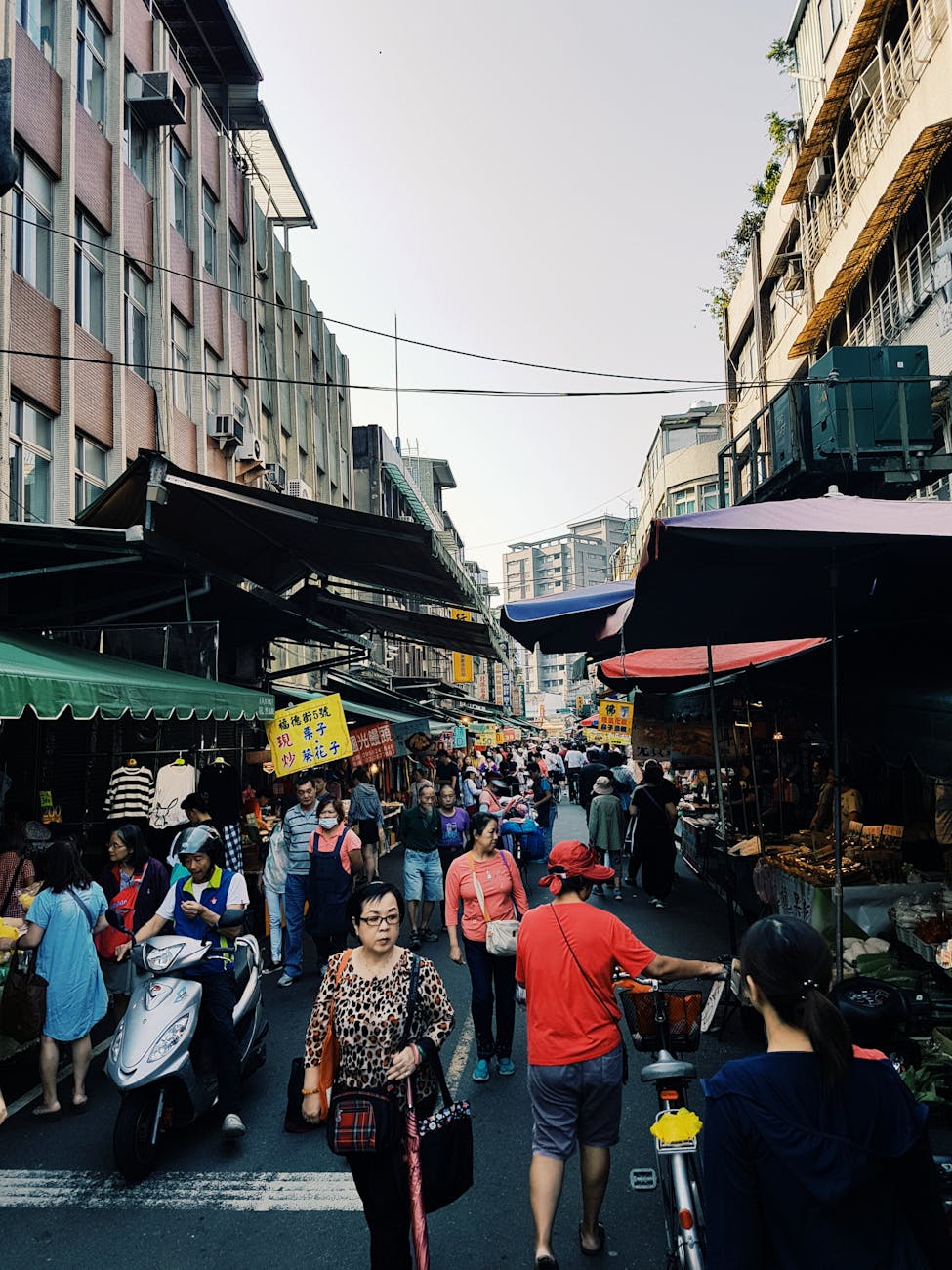
We were born into a poor, illiterate household. Our lives marked from birth as children of shame.
The village carried its own cruel vocabulary for us – whispered over fences, murmured at market stalls, muttered loud enough for small ears to hear. The market was a maze of narrow aisles and tin-roof stalls, the air heavy with frying oil and the sweetness of overripe fruit. Old men leaned against their scooters, steam from soil milk curling in the sun, while women crouched by baskets of greens, speaking in Hakka – a dialect that could turn a casual greeting into a judgement. Their words floated over the hum of bargaining and the clang of metal scales, each sylable carrying the weight of stories that travelled faster than the wind.
Every corner held the echo of it: the women clucking their tongues, the men smirking into their tea, the kids repeating words they didn’t yet understand.
He came into this world before me. Arriving early meant facing the ridicule first, bearing the sting of insults long before I could comprehend them. And on top of that, he was expected to shoulder the family’s honor, to be the boy who would lift our name out of the mud. But no one stood between him and the unforgiving world outside. No one taught him how to carry that burden without breaking.
The weight was too much for a child to bear – so heavy it bent his back long before he was grown. And when you are that young, there is only one way to survive: you run.
So he ran from school, from responsibility, from every place where eyes could follow and judge him. He found refuge in the glow of video games, in worlds where no one knew his name or the story behind it.
Sometimes I wonder – if I had been the older one, would it have been different?
If I were the one born first, maybe I could have stood between him and the wind, offered him even the smallest shelter. Maybe I could have helped with his schoolwork, kept him from being whittled down into skinny pig by our family, by our society, by the values we never chose.
But I was the younger one, the fat dog. I had no shield to offer. Instead, I stole the glory the grownups of our family once imagined he’d bring home.
I never saw it then – how my own climb toward the light cast a sharper shadow over him. Every cheer in my direction was an unspoken judgement against him. While I bloomed, he withered, not for lack of soil or sun, but because the light seemed to belong to me alone.
I wasn’t trying to win anything. I was only stepping into the places he had left empty. But in a house where worth was measured like grain on a scale, I became a mirror he couldn’t turn away from – a mirror that kept reflecting back the image of what he had run from, what he had refused to be.
It was never his fault for resenting the fat dog, just as it was never mine that the skinny pig was always found lacking. We were only two children placed in the wrong roles, cut open by the same jagged values, bleeding in different corners of the same house.
Maybe it will take a lifetime to stitch those wounds shut. But deep down, I’ve always known Brother never truly hated me. What he hated was the world that kept measuring him, the eyes that never softened, and perhaps, the version of himself that never felt enough.
All I could offer was this: when his knees buckled, I would be there, quietly holding him up in whatever way I could. To remind him that skinny pig and fat dog were never enemies. We were bound by the same blood, two souls simply trying to feel a less alone in a world that had never learn how to love.
Soul Whisper:

Carl Jung once wrote that what we cannot bring into the light will rule our lives from the shadows.

The wounds of childhood, if left unnamed, grow root deep in the soul. They curl quietly through the years, shaping the way we love, the way we hide, the way we see ourselves – until one day, in the smallest of moments, their thorns pierce the skin and we finally feel their sting.

That day, standing at my brother’s door, I understood for the first time my good grades, my obedience, my relentless striving – they were not a light to him, but a shadow, a wound. And that wound had lived inside him for years until a quiet rage tucked away in our shared bloodline.

We were both casualties of a family script written long before we were born. I carried not only the weight of poverty and expectation, but also my brother’s sense of loss and fracture. My existence had become, without my knowing, the evidence others used to judge him unworthy.

Looking back, I want to place my hands on those buried emotions, to acknowledge them, because I refuse to become the kind of adult who wounds without realizing it – the ones who compare children as if it were love, who claim to “want the best for you” while swinging the hammer of judgement that crushes their confidence.

I have to remember this:
Love must never became a blade.
Success must never be used to humiliate.

I will remember the day he said, “you are the person I hate the most.” It was not hatred; it was the cry of someone who had gone too long without an embrace. My task now is to meet that cry with more understanding, more gentleness, so that the past’s misplaced roles no longer dictate the future’s capacity of love.

Even if my steps toward him come late, I will take them, I will walk the road of repair so that the skinny pig and the fat dog can one day see each other clearly, and walk side by side toward home.
Chapter 12 A Million Dollar Diploma
“Look at this?!”
“This diploma cost me a million dollars! A whole damn million! See how expensive it is!”
Mother’s eyes fixed on the master’s degree diploma in my hand. Her tone had no pride in it – only the sting of a bill I’d never known I owed.
“Why…..why would you say that?” my voice came out thin, shaking.
I had imagined this moment so many times – her smile softening, her eyes lightening up, and her voice saying, I’m proud of you. Instead, her words struck like a stone to the chest, knocking the air out of me, sending me plummeting from the clouds straight into the dirt.
“I never asked a cent from you for my tuition,” I protested, my throat tight. “Every month, I brought money home, none stop for six years. How can you say I owe you a million?”
She began to count – slowly, methodically, as if tallying the years of my life.
“If you’d stopped school after junior high and gone to work, you could’ve given me 20,000NT every month. All these years? Easy one million already! But no – you keep studying and you didn’t make much. You gave me what? 10,000NT a month. And don’t think I don’t know you’ve been sneakin’ off to play tennis…”
She rattled on, but I’d stopped hearing.
I clutched the diploma – this paper I’d fought for with every part of myself, yet meant nothing to anyone in this house – and fled the living room before my tears could give me away.
By the time I shut the bedroom door, my chest was heaving. I slid down the wall until I sat on the cold floor, shaking all over. In my lap lay the so-called “million-dollar diploma.” And with it came a flood – years of swallowed words, of unseen bruises, of moments I’d buried so deep they surged back the instant my guard fell.
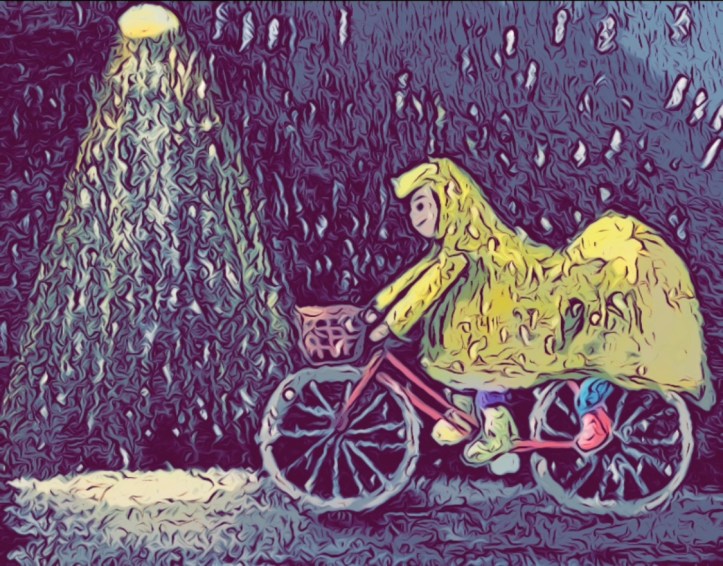
“Get up! It’s four o’clock already”
Mother’s hand pressed on my shoulder, her voice brisk.
“There’s cold front today and it’s raining. Put on another pullover under your sweater,” she added, tossing the clothes onto my bed.
The cold seeped into my bone. I forced my heavy eyelids open. My body felt like it had been filled with cement, every limb weighted down. But I knew if I lingered, we’d be late for the morning cleaning shift. Pushing myself upright, I shuffled into the living room.
Outside, the world was still dark. The wind clawed at the door, howling like a future I couldn’t yet see – cold and full of shadows.
“Let’s go. Don’t wait for him. It’s just us today,” Mother said, shrugging into her coat.
“Your brother’s grades are so bad – let him sleep more, maybe he’ll do better in school. You’re already first in your class anyway. Missing a bit of sleep won’t change a thing.”
I didn’t answer. I just nodded and followed her into the dark.
From then on, the morning cleaning became ours alone. Brother, blessed by his failing grades, stayed warm beneath the blankets while I picked up all the extra work. After school, I weeded and watered the vegetable patch, and scattered feed for the hens, then hurried home. There was never time to sit – just a few quick bites of dinner before grabbing my coat and headed out to the Suzuki Motor factory for the night cleaning shift.
Back then, my days were stitched together with labor. I scrubbed toilets while reciting the Analects, threaded needles while committing English words to memory. When the night shift ended, I would sit alone at my desk, pushing through homework until midnight.
I never once complained to Mother about not having time to study. I knew if I didn’t help her, no one else would. I had to care for this woman no one had ever truly loved, stand beside her, and help to carry the weight of our home.
I woke up at four not because I wasn’t tired, but because I couldn’t bear to watch her shoulder all the cleaning alone, working herself to exhaustion. Asking for leftover rice at school wasn’t because I felt no shame – it was because I was too young, too powerless, and it was the only way I knew to save a little bit more for our family.
For years, I traded my labor for her moments of rest, my grades for her fleeting pride. Day after day, night after night, I scrubbed, swept, and stitched, then dragged my tired body to school, to piano bench, and eventually into the gates of a national university.
And all of that – every dawn, every blister, every drop of sweat – collapsed into a single sentence, sharp as a knife:
“This diploma cost me a million dollars.”
These words cut straight through me, shattering every illusion I had ever clung to.
I was never the favorite she claimed I was.
I had always been the extra, the unnecessary piece in this family.
And in this vast, unyielding world, I had been alone from the very beginning.
In that moment….. my heart didn’t just break….it splintered into pieces too small to gather….
The belief in sons over daughters in our culture was planted so deep – like the idea in Inception, locked in a fortified vault three dreams down. Unshakable. Even women wounded by it could summon little mercy when facing another victim.
It is like the beauty standard across Asia: a woman must be bone-thin and flawless to be considered beautiful. The cruelest remarks about a famous woman gaining weight or showing her age often come from other women. Such ideas turn victims into perpetrators – without them even realizing it.
I wiped my tears. Time for another tutoring session. As long as body lives, life must go on.
Worthless girl – the curse I was born into. I had fought to rewrite it, poured every drop of myself into giving back, but the root ran too deep. And so the hurtful words still slipped out, slicing through the air, quick and unthinking, yet leaving a wound that would never heal.
If this home had no place for me – if there was no one on this land who cared whether I stayed or left – then maybe I was free. Free to step beyond its boarders, unbound, and find out just how far the wind could take me.
Franklin once said, “Out of suffering comes growth.”
My heart lay in shards, yet there was no room for resentment. I understood their wounds – perhaps too well. No one in this world had ever truly loved me, but that didn’t mean I couldn’t step into it, unafraid.
A light rain began to fall. Perfect. The drops would hide the tears I failed to keep in, and the wind, rushing past as I sped down the road on my scooter, would scatter them into the night – carrying them far from me, where they could never return.
Soul Whisper:

A few years ago, Mother stood on the county stage, holding the Model Mother trophy, telling the crowd I was her most cherished child. But that day, in the drifting rain, I saw the truth.

This “million-dollar diploma” showed me that I never truly had a home on this land.

Some people leave home to chase a dream.
I left because I had no home to stay for.

I was never anyone’s treasure.
What they wanted was my effort, my labor, my glory.
But my sorrow, my longing, my dreams never belonged in their field of care.

So be it.
Let me set myself free.

This million-dollar diploma was the passage I bought with my youth.
I would go out into this world, to live a life
not to repay a debt,
not to please anyone,
not to fill the void of someone else’s regrets,
but simply to be myself.

To leave –
was to move forward without asking to be loved in return,
to live the truest shape of my soul.
Chapter 13 Goodbye, Ayïma
December 4, 2004
The voice of the flight attendant drifted gently through the cabin, asking passengers to fasten their seatbelts. The plane began to glide across the runway, gathering speed for takeoff.
At last, the day had come.
I leaned against the window and watched as cars and rooftops shrank into toy-sized dots. Something surged inside me. Was it the bitterness I had swallowed for years? The heaviness of a mission on my shoulders? Or was it the flutter of a dream I had carried for years, trembling now on the edge of flight?
A little over a year earlier, I had graduated and begun job hunting. Most of my classmates stayed in the Science Park. A few chose to study abroad. I had no money for overseas study, so I aimed for semiconductor companies that offered foreign assignments. After rounds of interviews with Agilent and Texas Instruments, I chose TI.
For an electrical engineering graduate with no programming background, the job at TI was less of a career decision than a leap into the unknown. My master’s degree focused on semiconductor theory, while the very skills TI demanded were programming and circuit testing. Once again, I was the tortoise in the fable, forced to crawl forward step by step, driven by persistence alone. That year, I became a workhorse – days blurred into nights, and sleepless marathons became “standard operating procedure.”

Three months ago, my US manager G asked if I would go to the headquarters to help rush a chipset tailored for Japan NTT DoCoMo. I said yes without hesitation.
How could I not?
Going abroad was the dream I had folded away in my heart for years, the one that had waited patiently through hunger and fatigue, like a secret flame refusing to go out.
The flame was first lit when I was fifteen – the year I finally stepped out of the well. I kept staring at the wide sky beyond the island, wondering what lay across the sea. What language did people use to shape their days? What kind of life unfolded on that faraway shore? And how would a slow, stubborn tortoise survive in a foreign land?
In middle school, I read an essay quoting Mencius:
“When Heaven entrusts a soul with a great mission,
it must first break the will,
weary the limbs,
starve the flesh,
and strip the body bare.”
Those lines carved themselves deep into me, because the trials they spoke of – poverty, hunger, weariness, a spirit stretched thin – were not parables from an ancient text. They were the texture of my days, the air I breathed, the ground I walked.
And yet, after all these years, I can’t help but wonder: from all the things I was denied, have I not, somehow, gathered some kind of strength?
Long ago, Grandfather broke his hip. The surgery required a deposit – money we didn’t have. Mother took the two of us by the hand and went door to door. The three of us dropped to our knees, pressing our foreheads against the ground in desperate pleading. Neighbors stood unmoved. One after another, they turned us away. Not a coin, not a hand was offered.
We returned home with knees swollen and raw, and a mother whose heart had been frostbitten by the world’s merciless indifference. We had sunk so far into poverty that even a single mother with two young children could not stir the faintest compassion.
From that day on, Mother swore she would never again bow for money. She chose instead to grind herself to exhaustion, juggling job after endless job, and driving me with the same ruthless urgency.
It was brutal, but it was a lesson: if I wanted a way forward, I would have to carve it myself.
By the time I turned seven, I had already spent the last of my tears.
Crying, I knew, would get me nowhere.
The first ability life forged in me was to solve problems without boundaries – to break the frame of ordinary thinking and invent a way where none appeared to exist.
No money for lunch, I learned to sew kimonos at the age of six. When meat was absent from our table, I did the unthinkable – begging for the leftover rice at school, turning it into feed for our chickens. No piano for practice, I drew a paper piano and played along with the rhythm inside my mind.
I did too many things no children were expected to do. They were the things no one else dared to imagine. But roads are not always waiting to be followed – sometimes, they have to be made.
And every wall of “impossible” could be cracked open, letter by letter, until it read: I’m possible.

The second ability life carved into me was the discipline of will:
to feel the stirrings of the heart,
to endure the grinding of the spirit,
to hold fast when every force pulls away,
and still to choose – again and again – the path I had set my soul upon.
All around me, the voices of the elders poured over me like buckets of cold water:
“Kids like us don’t get to play the piano.”
“A girl’s schooling ends by junior high.”
“Tennis? That’s for rich folks. That’s not our world!”
But every drenching only left me burning hotter inside. I would rather break my teeth and swallow blood than swallow the fate they prescribed. I refused to bow to it. I would not accept the script they handed me.
Bloodied fingertips could not extinguish my hunger for the piano.
Long days of labor could not crush my thirst for knowledge.
Even anemia could not chain my will to step onto the tennis court.
A piano tutor, an EE graduate, the captain of school tennis team – identities that were never meant for someone poor. Yet I claimed them all, out of sheer defiance, out of stubborn refusal to bow to the fate assigned to me.
I was not born to accept my destiny.
I was born to rewrite it.
However, ours was not simply a poor family. We carried the weight of generations who had been poor, generations who had never learned to read or write. And on top of that, we were children born outside of marriage.
In the eyes of others, we were not just poor – we were marked as lesser, as if poverty had hardened into a caste.
So when a friend’s mother asked around about my family, she ended her probing with a cutting remark: ”Well, at least you’re a master’s graduate from a national university.” Her disdain clung to me, reminding me that no matter how hard I worked, the contempt was always there, ready to grind my efforts into the dirt beneath its heel.
I didn’t know if Heaven had truly laid a great mission on my shoulders. But I knew my own: to drag my family out of that pit, to tear the sneer off our faces.
When I joined TI, the HR manager asked me to pick an English name to ease communication with colleagues overseas. I chose Julia.
Back home, my grandparents called me Ayïma in Hakka dialect. Being Ayïma had never been easy. Those twenty years were filled with the kind of hunger and hardship that left its mark on the body. And even after I put on the badge of a TI engineer, not much changed. I was a so-called “tech elite,” yet most days I lived on nothing more than a single steamed bun. The irony was almost laughable.
When I decided to come to America, my bank account held only 3,000NT. Rosita, a senior colleague who had once made the same journey, lent me 5,000USD. She knew what I did not yet know: in the US, the first expenses would come fast and heavy, and I would need courage – and cash – up front.
The years behind me had been filled with bitterness and want, yet every so often, there were moments of sweetness that slipped past the hardship and sank deep into my heart:
Miss Chang, who lent a hand when I had nothing;
Chi, brought me lunches like a rain in a long drought;
Miss Chen, my piano teacher, never once raised her fees;
And senior colleagues, who made up excused to treat me to meals since I could not afford my own.

Each gesture was a sip of water to a parched soul.
Each act of kindness nourished what hunger and lack could not.
With Rosita’s five thousand dollars, I set out for America. Alone in a foreign land, with no familiar face, perhaps I should have felt lost. But I did not.
The kindnesses I had once received walked beside me, unseen. They kept me from loneliness. And the trials Ayïma had endured – the days of hunger, the endless labor, the countless ways life had ground her down – all of it had hardened into strength.
I was no longer afraid of the unknown. Ayïma had taught me one simple truth: as long as I dared to try, nothing was impossible.
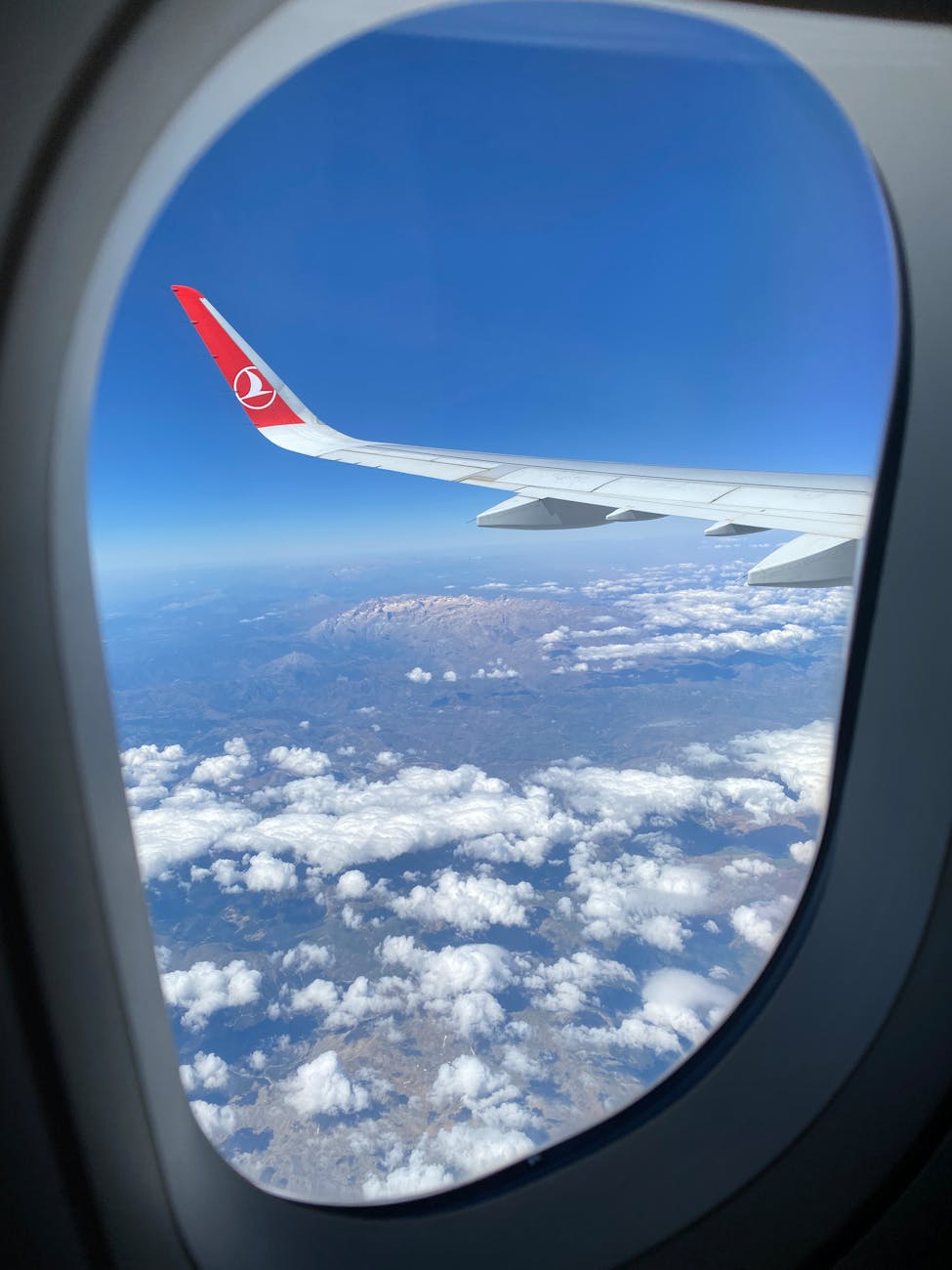
I gazed out the window and watched the island slip away – familiar, yet already turning strange – until it disappeared into the clouds. I knew then I was saying farewell to Ayïma, farewell to the years woven of hunger and pain. My eyes burned with tears.
If a time machine truly existed, I would have gone back to hold that little girl into my arms – the one who toiled alone under a dim lamp, who endured more than a child ever should.
Thank you, Ayïma.
It was you who braved the storms and carried me here.
It was you who gave me the courage to face what lies ahead.
You carved the path with your suffering.
I will carry your name as the memory of that road and step into the future.
From this day on, Julia will take your place –
to venture, to create, to begin again
in a land unknown.
Your fight was survival. Mine will be creation.
Goodbye, Ayïma.
 Ayïma 阿儀瑪